

Viagra

Erectile Dysfunction Treatment

  • In stock
  • Including FREE discreet Delivery
Select Dosage
Select Quantity
Price:

Price preview only. You can choose monthly subscription or one-time order at checkout.

Generic / Compounded alternative available
Branded: $499.99
Alternative: $36.99
Save up to 93%
Choose affordable alternative
Same Ingredients · More affordable · US Licensed Pharmacies

About

What is Viagra®?

Viagra® (sildenafil) is a prescription medicine used to treat erectile dysfunction (ED) in adult men. ED is the inability to get or maintain an erection firm enough for sexual activity. Viagra® belongs to a group of medicines called phosphodiesterase type 5 (PDE5) inhibitors, which help support the body’s natural response to sexual stimulation.

  • Active ingredient: Sildenafil
  • Therapeutic class: PDE5 inhibitor (a type of medicine used to treat ED)
  • Approved use: Treatment of erectile dysfunction in adult men
  • How it’s taken: Oral tablet, typically used as needed before sexual activity
  • Important to know: Viagra® does not cause an erection on its own - sexual stimulation is still required
  • Not intended for: Women or children, and it does not protect against sexually transmitted infections (STIs)

How do I take Viagra®?

Viagra® is typically taken as needed before sexual activity, following the dosing guidance provided by a healthcare professional.

General dosing framework from FDA labeling:

  • Taken by mouth
  • Usually about 1 hour before sexual activity
  • May be taken approximately 30 minutes to 4 hours before activity
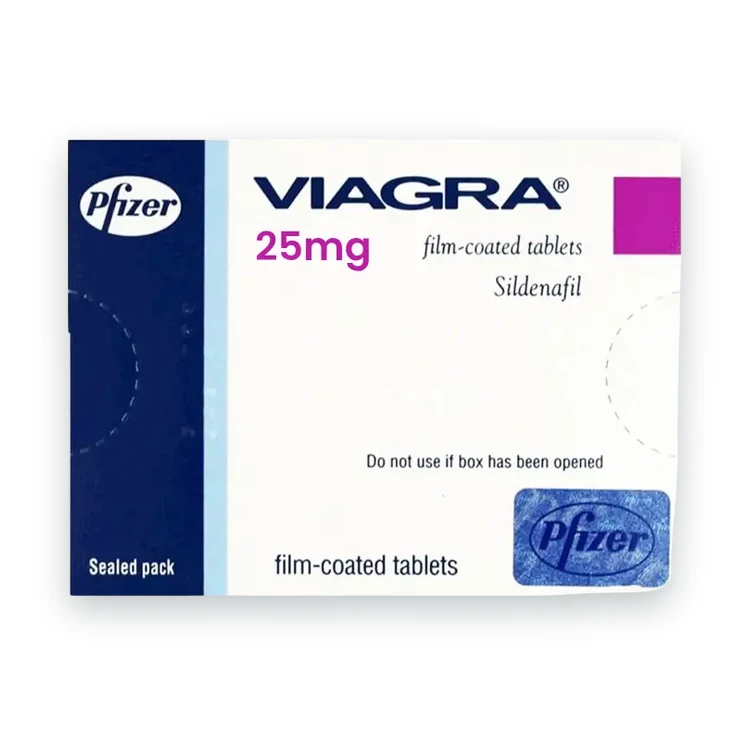
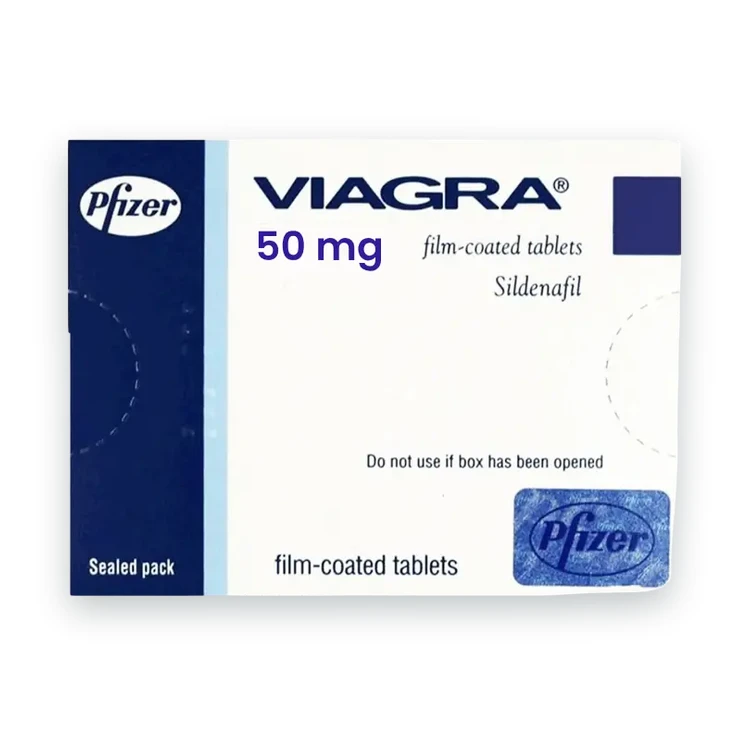
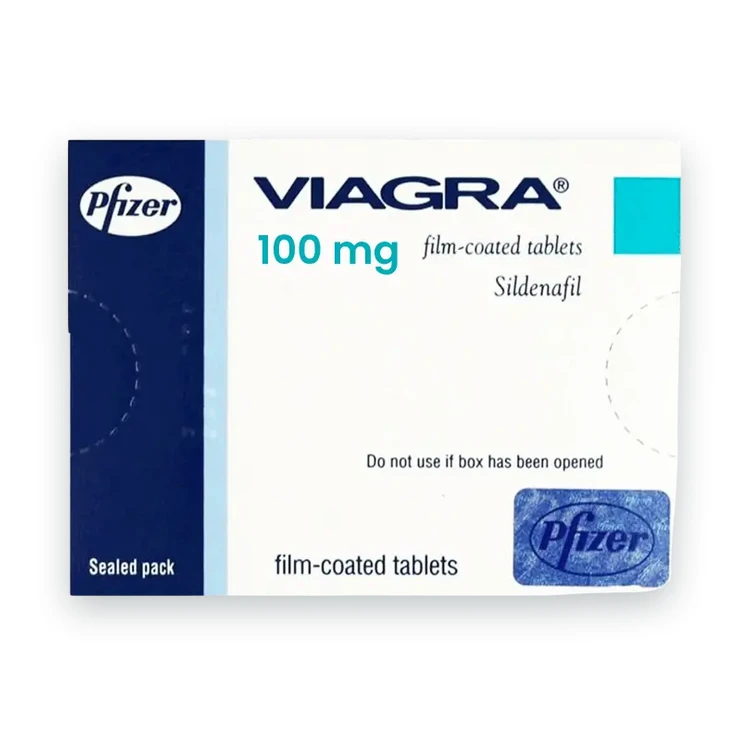
  • Available strengths: 25 mg, 50 mg, and 100 mg tablets
  • Maximum recommended dosing frequency: once per day

Never take more than prescribed or combine with other ED medications unless directed by a healthcare provider.

What are the possible side effects?

Like all medications, Viagra® may cause side effects. Many are mild to moderate, but some may require medical attention.

Common adverse reactions reported in clinical studies include:

  • Headache
  • Flushing (warmth or redness in the face or chest)
  • Indigestion (dyspepsia)
  • Nasal congestion
  • Abnormal vision (color tinge, blurred vision)
  • Back pain
  • Muscle pain (myalgia)
  • Nausea
  • Dizziness
  • Rash

Serious safety considerations include:

  • Contraindicated with nitrate medications used for chest pain
  • Avoid use with guanylate cyclase stimulators (e.g., riociguat)
  • May cause sudden drops in blood pressure when combined with nitrates
  • Seek immediate medical care for an erection lasting longer than 4 hours (priapism)

For detailed information, please refer to the full Important Safety Information.

*Prescription products require an online consultation with a licensed healthcare provider who will determine if treatment is appropriate. Sildenafil is the active ingredient in Viagra®. Viagra® is a registered trademark of its respective owner and is mentioned for reference only. Individual results may vary.

How it works

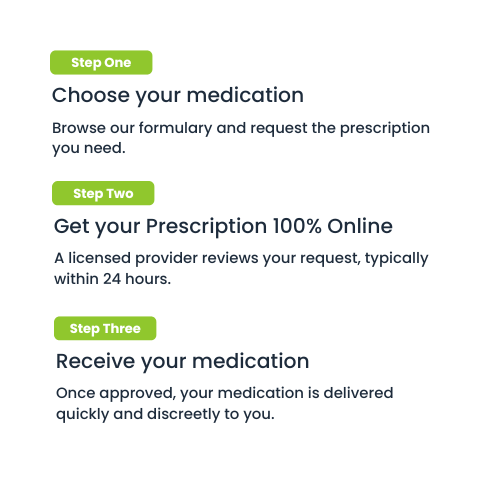
A few simple steps to your medication

1
Online Check
2
Medical Review
3
Fast Delivery

Healthcare. Made simple.

Convenient healthcare, without unnecessary waiting.

Order now

If not eligible: 100% money-back guarantee.

Licensed healthcare providers
24/7 access to care
One-time or subscription, cancel anytime

Topics

  1. 1. What condition does Viagra® treat?
  2. 2. How does Viagra® work?
  3. 3. How should Viagra® be taken?
  4. 4. What dosage options are available for Viagra®?
  5. 5. How long does Viagra® take to work?
  6. 6. What factors can affect how well Viagra® works?
  7. 7. Who should not take Viagra®?
  8. 8. What medications may interact with Viagra®?

What condition does Viagra® treat?

Viagra® is approved by the U.S. Food and Drug Administration (FDA) for the treatment of erectile dysfunction (ED) in adult men. Erectile dysfunction refers to the ongoing difficulty in achieving or maintaining an erection suitable for sexual activity.

ED can occur for a variety of reasons, including physical health conditions, psychological factors, or certain medications. A healthcare provider can help determine whether ED may be linked to underlying health concerns.

Important considerations include:

  • Viagra® is approved only for erectile dysfunction in adult men
  • It helps improve the ability to achieve and maintain an erection during sexual stimulation
  • It does not cure ED
  • It does not increase sexual desire
  • It is not approved for use in women or children

If you are experiencing symptoms of ED, a medical evaluation can help determine the most appropriate treatment options and whether Viagra® may be suitable for your situation.

How does Viagra® work?

Viagra® works by supporting the body’s natural process that leads to an erection. During sexual stimulation, the body releases nitric oxide in the penis, which helps relax blood vessels and allows increased blood flow. Viagra® enhances this process by blocking an enzyme called phosphodiesterase type 5 (PDE5).

By inhibiting this enzyme, the medication helps maintain higher levels of a signaling molecule involved in relaxing smooth muscle tissue in the penis. This allows blood vessels to widen and increases blood flow during sexual stimulation.

Important points about how Viagra® works:

  • It enhances the natural erectile response
  • It requires sexual stimulation to be effective
  • It helps increase blood flow to the penis
  • It does not create an erection automatically

Because it works through natural physiological pathways, a healthcare provider will assess your medical history to ensure that this mechanism is safe for you before prescribing the medication.

How should Viagra® be taken?

Viagra® is taken orally as needed before sexual activity. The medication should be used exactly as prescribed by a healthcare provider.

Most patients are advised to take the medication about one hour before sexual activity, although it may be taken anywhere from 30 minutes to 4 hours beforehand according to the FDA-approved labeling.

General usage guidance includes:

  • Swallow the tablet with water
  • Take it only once per day at most
  • Follow the dose prescribed by your healthcare provider
  • Do not combine with other ED medications unless directed

Food intake may influence how quickly the medication begins working. According to the prescribing information, high-fat meals may delay the onset of effect.

What dosage options are available for Viagra®?

Viagra® tablets are available in several strengths to allow healthcare providers to tailor treatment based on individual needs and response.

The FDA-approved tablet strengths include:

  • 25 mg
  • 50 mg
  • 100 mg

For many patients, a healthcare provider may start with a 50 mg dose taken as needed prior to sexual activity. The dose may be adjusted depending on how the medication works and whether side effects occur.

The maximum recommended dosing frequency is once per day. Only a healthcare provider should determine the appropriate dose. Patients should not change their dose or frequency without medical guidance.

How long does Viagra® take to work?

According to the FDA-approved prescribing information, Viagra® is typically taken about one hour before sexual activity. Some individuals may notice effects sooner, while for others it may take longer.

Clinical labeling indicates that Viagra® can be taken between 30 minutes and 4 hours before sexual activity.

Factors that may influence onset include:

  • Timing relative to meals
  • Individual metabolism
  • Overall health
  • Other medications being taken

High-fat meals may delay how quickly the medication begins working. Because responses can vary between individuals, your healthcare provider may help you adjust timing to achieve the most consistent results.

Viagra® only works when sexual stimulation occurs, so planning timing around anticipated activity may be helpful.

What factors can affect how well Viagra® works?

Several factors may influence how well Viagra® works for an individual. These include health conditions, medications, and lifestyle factors.

Your healthcare provider may evaluate the following when prescribing treatment:

  • Cardiovascular health

  • Diabetes or metabolic conditions

  • Certain neurological disorders

  • Medications that affect blood pressure

  • Alcohol consumption

  • Timing of meals

Food, particularly high-fat meals, may delay how quickly the medication begins working.

If Viagra® does not appear to work as expected, it may be helpful to discuss the experience with your healthcare provider. Adjustments in dose, timing, or treatment strategy may sometimes improve results.

Who should not take Viagra®?

Viagra® should not be used by certain individuals due to potential safety concerns or drug interactions.

According to FDA labeling, Viagra® is contraindicated in people who:

  • Take nitrate medications used for chest pain
  • Use guanylate cyclase stimulators such as riociguat

Combining these medications can lead to dangerous drops in blood pressure.

Your healthcare provider will review your medications and medical history to determine whether Viagra® is safe for you.

If you are unsure whether any of your medications fall into these categories, it is important to discuss them with your provider before starting treatment.

What medications may interact with Viagra®?

Certain medications may interact with Viagra®, potentially increasing the risk of side effects or lowering blood pressure.

Medications that may interact include:

  • Nitrate medications
  • Guanylate cyclase stimulators
  • Certain blood pressure medications
  • Some antifungal or antibiotic medications
  • Certain HIV protease inhibitors

The prescribing information also notes interactions with medications that affect the CYP3A4 enzyme system, which can influence how sildenafil is metabolized.

Your healthcare provider will review your current medications before prescribing Viagra® to help avoid harmful interactions.

Always inform your provider about all medications and supplements you are taking.

Important safety information

FAQ

Do I need a prescription for Viagra®?

Yes. Viagra® is a prescription medication in the United States, which means it must be prescribed by a licensed healthcare provider before it can be legally dispensed by a pharmacy.

This requirement helps ensure that the medication is appropriate for your health situation. Erectile dysfunction can sometimes be related to underlying medical conditions, and certain medications may interact with Viagra®.

A healthcare provider will typically review:

  • Your medical history
  • Current medications
  • Any existing heart or blood pressure conditions

Telemedicine services can make this process more convenient by allowing licensed providers to review your information online. If the provider determines the medication is appropriate, they may issue a prescription that can be filled through a licensed pharmacy.

How can I get Viagra® online legally?

At US Quick Health you can start an online consultation for erectile dysfunction treatment. These services allow a healthcare provider to review your medical information remotely.

The process typically involves:

  1. Completing a medical questionnaire

  2. A provider reviewing your health information

  3. Issuing a prescription if appropriate

  4. Sending the medication through a licensed pharmacy

This process helps ensure the treatment is safe for you while maintaining regulatory compliance.

Why is a medical consultation required?

A medical consultation helps ensure that Viagra® is safe and appropriate for your individual health situation.

Certain medical conditions and medications may affect whether this treatment is recommended. A healthcare provider can review your medical history and determine whether Viagra® is a suitable option.

During the consultation, providers typically review:

  • Your current medications

  • Cardiovascular health

  • Blood pressure conditions

  • Previous ED treatments

  • Any symptoms that may require further evaluation

This step helps reduce potential risks and ensures that the treatment plan is appropriate for you.

Is there a generic version of Viagra®?

Yes. The generic version of Viagra® is called sildenafil.

Generic medications contain the same active ingredient as the brand-name product and are approved by the U.S. Food and Drug Administration (FDA) after demonstrating comparable quality and effectiveness.

Differences between brand and generic products may include:

  • Tablet appearance

  • Manufacturer

  • Price

Can I take Viagra® with food?

Yes. Viagra® can be taken with or without food.

However, the prescribing information notes that high-fat meals may delay how quickly the medication begins working. For some people, this may mean it takes longer for the medication to take effect.

If timing is important, some individuals choose to take the medication on an empty stomach or after a lighter meal. Responses may vary from person to person.

If you are unsure about how food might affect your treatment, your healthcare provider or pharmacist can offer guidance based on your individual situation.

Can I drink alcohol when taking Viagra®?

Alcohol is not prohibited in the prescribing information for Viagra®. However, alcohol may influence sexual performance and blood pressure.

Alcohol may:

  • Lower blood pressure

  • Affect erectile function

  • Increase the likelihood of certain side effects such as dizziness

For these reasons, moderation may be advisable when using this medication.

Can I drive after taking Viagra®?

Some people may experience side effects such as dizziness or changes in vision after taking Viagra®.

Because individual responses can vary, it may be helpful to see how the medication affects you before driving or operating machinery.

If you notice symptoms such as:

  • Dizziness

  • Blurred vision

  • Sensitivity to light

it may be best to avoid driving until the effects have passed.

If these symptoms occur frequently or become concerning, contacting your healthcare provider can help determine whether adjustments to your treatment are needed.

What if Viagra® doesn’t work for me?

If Viagra® does not work as expected, it is important not to change the dose or take additional tablets without guidance from your healthcare provider.

Several factors may influence treatment response, including timing, dosage, and individual health conditions.

Your healthcare provider may:

  • Review how the medication was taken

  • Adjust the prescribed dose

  • Evaluate possible medical causes of ED

  • Discuss alternative treatment options

Communicating openly with your provider can help determine the most appropriate next steps.

Can I change my dose on my own?

No. You should not change your dose of Viagra® without consulting your healthcare provider.

The dose is selected based on several individual factors, including health history and medication interactions. Adjusting the dose without medical guidance may increase the risk of side effects or reduce treatment effectiveness.

If you feel the medication is not working as expected or if side effects occur, your healthcare provider can review your experience and determine whether a dose adjustment is appropriate.

Always follow the instructions provided with your prescription.

How should Viagra® be stored?

Viagra® should be stored according to the instructions provided with the medication packaging.

General storage recommendations include:

  • Keep the medication at room temperature
  • Store in its original container
  • Protect from excess moisture and heat
  • Keep out of reach of children

Proper storage helps maintain the quality and effectiveness of the medication.

Sources

References

VIAGRA (sildenafil citrate) - Official FDA-approved prescribing information including indications, dosing, contraindications, and safety warnings. Source: DailyMed (U.S. National Library of Medicine / NIH) Link: https://dailymed.nlm.nih.gov/dailymed/drugInfo.cfm?setid=0b0be196-0c62-461c-94f4-9a35339b4501 Published: November 17, 2023

VIAGRA (sildenafil citrate) tablets - FDA-approved prescribing information describing indications, dosage, contraindications, and safety warnings for sildenafil used to treat erectile dysfunction. / Source: U.S. Food and Drug Administration (FDA) Link: https://www.accessdata.fda.gov/drugsatfda_docs/label/2014/20895s039s042lbl.pdf / Published: March 11, 2014

VIAGRA Patient Information Leaflet - FDA-approved patient counseling information explaining how Viagra® is used, how to take it, and important safety information for patients. / Source: Pfizer U.S. Product Labeling Link: https://labeling.pfizer.com/ShowLabeling.aspx?id=652&section=ppi / Published: Not specified (Pfizer Patient Information section for U.S. labeling)

Medically reviewed by

H. Igde - MD

Clinical Expertise: Anesthesiology, Emergency Medicine, Urology, and Oncology

Dr. Igde reviewed the medical information on this page for accuracy against current medical knowledge. This is an editorial, non-clinical review: it is not medical advice and does not create a doctor-patient relationship. Whether a treatment is appropriate for you is decided by an independent U.S. licensed provider.

For more information about the scope of the reviewed content and the role of our medical advisors, please visit our Medical Board page.

H. Igde - MD
Last updated on 02/28/2026Next information check will be on 01/29/2027

*All information presented on this page is for informational and educational purposes only and does not constitute medical advice, diagnosis, or treatment. Prescription products are available only after an online consultation with a licensed U.S. healthcare provider who determines if treatment is appropriate. Individual results may vary. US Quick Health LLC does not sell or ship medications directly. All prescriptions are fulfilled by licensed U.S. pharmacies.

Cookie preferences

Choose which cookies this site may use. Your choice is stored on this device and applies to every page. You can come back and change it at any time from the link in the footer.

More detail on what each category collects is in our Privacy Policy.