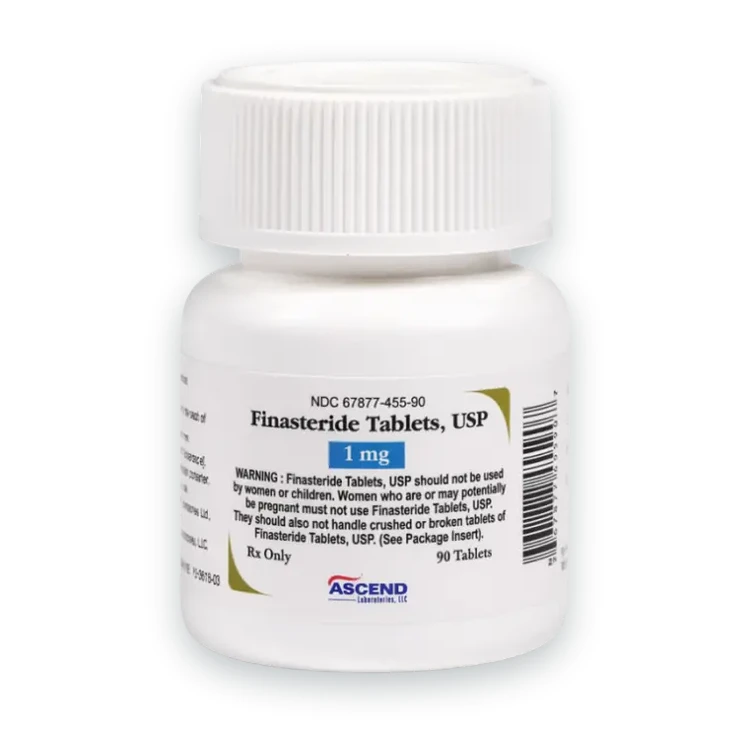

Finasteride

Hair LossOral Treatment

  • In stock
  • Including FREE discreet Delivery
Select Dosage
Select Quantity
Price:

Price preview only. You can choose monthly subscription or one-time order at checkout.

About

What is Finasteride?

Finasteride 1 mg is a prescription medication used to treat male pattern hair loss (androgenetic alopecia) in men. It belongs to a class of medicines called 5α-reductase inhibitors, which affect hormones involved in hair loss. It is not approved for use in women or children, and its effectiveness has not been established for certain patterns like a receding hairline at the temples. Use is typically part of a longer-term treatment plan, as benefits depend on continued daily use.

  • Prescription oral treatment for male pattern hair loss
  • Works on hormonal pathways linked to hair loss
  • Men only; not indicated for women or pediatric use
  • Not established for bitemporal (temple) hair loss
  • Requires ongoing use to maintain results

How do I take Finasteride tablets?

Finasteride 1 mg is taken as an oral tablet once daily, with or without food. It is designed for consistent, long-term use rather than occasional or as-needed use. The prescribing information indicates that it may take at least 3 months or more of daily use before any benefit is observed, and continued use is recommended to maintain results over time. Your provider will determine if this treatment is appropriate and may periodically reassess your progress.

  • Take 1 tablet daily
  • Can be taken with or without food
  • Use on a consistent daily schedule
  • Do not adjust your dose without medical guidance
  • Continued use helps maintain results

What are the possible side effects?

Finasteride can cause side effects, although not everyone will experience them. The most commonly reported effects involve sexual function, including decreased libido, erectile dysfunction, and changes in ejaculation. Some effects may continue after stopping the medication, based on postmarketing reports. There are also important safety considerations that should be taken seriously and discussed with your provider if they occur.

  • Possible decreased sex drive
  • Possible difficulty achieving or maintaining erections
  • Possible changes in ejaculation
  • Contact your provider if you notice breast changes, such as lumps or discharge
  • Seek medical advice if you experience persistent or concerning symptoms

For detailed information, please refer to the full Important Safety Information.

*Prescription products require an online consultation with a licensed healthcare provider who will determine if treatment is appropriate. Individual results may vary.

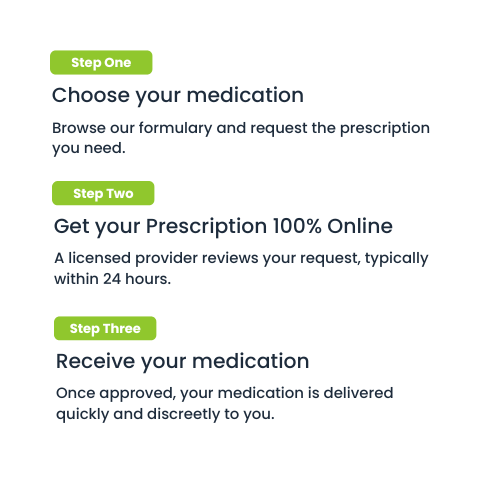
How it works

A few simple steps to your medication

1
Online Check
2
Medical Review
3
Fast Delivery

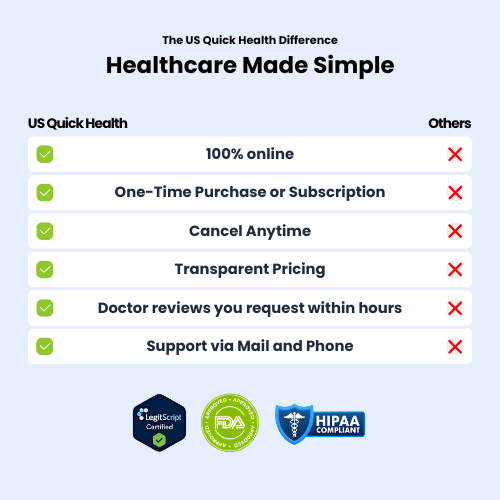
Healthcare. Made simple.

Convenient healthcare, without unnecessary waiting.

Order now

If not eligible: 100% money-back guarantee.

Licensed healthcare providers
24/7 access to care
One-time or subscription, cancel anytime

Topics

  1. 1. Who are Finasteride tablets meant for?
  2. 2. What kinds of hair loss should Finasteride tablets not be expected to treat?
  3. 3. How are Finasteride tablets usually taken?
  4. 4. What should someone expect before noticing benefit with Finasteride tablets?
  5. 5. Why might PSA testing matter while taking Finasteride tablets?
  6. 6. What warning signs should someone report promptly while taking Finasteride tablets?
  7. 7. How should Finasteride tablets be stored and handled?

Who are Finasteride tablets meant for?

Finasteride 1 mg is prescribed for men with male pattern hair loss (androgenetic alopecia). It is not intended for use in women or children, and treatment decisions are based on an individual evaluation of hair loss pattern and medical history. Because this medication works on hormone pathways, it is typically considered for men with gradual, pattern-based hair thinning rather than sudden or unexplained hair loss.

  • Intended for adult men with androgenetic alopecia
  • Not approved for women or pediatric patients
  • Used for pattern-based hair loss, not all types
  • Requires provider evaluation before starting
  • Not appropriate for every hair loss situation

What kinds of hair loss should Finasteride tablets not be expected to treat?

Finasteride tablets is not proven to be effective for all patterns of hair loss. The prescribing information specifically notes that effectiveness has not been established for bitemporal recession, which includes hair loss at the temples or along the frontal hairline.

  • Not established for temple or frontal hairline recession
  • Not intended for patchy or sudden hair loss
  • May not be suitable for non-hormonal hair loss causes
  • Results vary depending on hair loss pattern

Understanding your type of hair loss helps determine whether this treatment may be appropriate.

How are Finasteride tablets usually taken?

Finasteride tablets are taken as a once-daily oral tablet, with or without food. It is designed for continuous use, meaning consistency is important to maintain potential benefits. Treatment plans are individualized, and your provider may periodically reassess whether continued use is appropriate.

  • Take 1 tablet daily
  • Can be taken with or without meals
  • Use on a regular schedule
  • Do not adjust dose without guidance
  • Follow your provider’s recommendations

What should someone expect before noticing benefit with Finasteride tablets?

Finasteride requires time before changes may be noticeable. According to the prescribing information, daily use for 3 months or more is generally needed before benefit may be observed. Continued use is recommended to maintain results, and stopping treatment may lead to reversal over time.

  • May take at least 3 months before noticing changes
  • Results are not the same for everyone
  • Continued use helps maintain effects
  • Stopping may lead to loss of benefit over time

Setting realistic expectations is important when starting treatment.

Why might PSA testing matter while taking Finasteride tablets?

Finasteride can affect levels of prostate-specific antigen (PSA), which is commonly used in screening for prostate conditions. The medication lowers PSA levels, so results may need to be interpreted differently.

  • Finasteride may lower PSA levels
  • PSA changes should be evaluated by a provider
  • Inform your provider that you are taking finasteride
  • Monitoring may be part of ongoing care

This helps ensure accurate interpretation of test results.

What warning signs should someone report promptly while taking Finasteride tablets?

Certain symptoms should be discussed with a healthcare provider if they occur. These may indicate side effects or conditions that require further evaluation.

  • Breast lumps, pain, or nipple discharge
  • Persistent sexual side effects
  • Mood changes, including depression
  • Any unusual or concerning symptoms

If symptoms are severe or persistent, seek medical advice promptly or call 911.

How should Finasteride tablets be stored and handled?

Proper storage helps maintain the safety and effectiveness of the medication. Handling precautions are also important due to the pregnancy-related risk associated with the drug.

  • Store at room temperature (59° - 86°F / 15° - 30°C)
  • Keep container closed and protected from moisture
  • Keep out of reach of children
  • Avoid breaking or crushing tablets unnecessarily

Following these guidelines helps ensure safe use.

Important safety information

FAQ

How long does Finasteride tablets usually take before I might notice benefit?

Finasteride is not a quick-fix treatment. According to the prescribing information, it may take 3 months or more of daily use before any benefit is noticed. Some people may need longer, and results can vary depending on the individual and their hair loss pattern.

  • Use it daily and consistently
  • Results may take several months
  • Not everyone responds the same way
  • Continued use helps maintain results

If you don’t notice changes after a few months, your provider may reassess whether it’s the right option for you.

What happens if I stop taking Finasteride tablets?

If you stop taking finasteride, any benefit you experienced may gradually be lost. The prescribing information indicates that effects are typically reversed within 12 months after discontinuation.

  • Hair may return to its previous state over time
  • Effects are not permanent without continued use
  • Stopping does not cause new hair loss beyond baseline
  • Consistency is key for maintaining results

If you’re thinking about stopping, it may help to understand what to expect beforehand.

What should I do if I miss a dose of Finasteride tablets?

If you miss a dose, simply take your next dose at the usual time. There is no need to take extra medication to make up for a missed dose.

  • Continue with your regular schedule
  • Do not take double doses
  • Try to maintain a consistent routine
  • Occasional missed doses may affect consistency

If you frequently forget doses, setting reminders may help keep your treatment on track.

Can I take Finasteride tablets with food?

Yes, finasteride can be taken with or without food. The prescribing information does not require any specific timing related to meals.

  • Can be taken with or without meals
  • Choose a time that fits your daily routine
  • Take it at the same time each day
  • Consistency helps maintain regular use

If you have specific dietary concerns, your provider or pharmacist can offer guidance.

Can I change my dose or take more Finasteride tablets to get faster results?

No, you should not change your dose without medical guidance. Taking more than prescribed does not improve results and may increase the risk of side effects.

  • Follow the prescribed dose (1 mg daily)
  • More does not mean better results
  • Do not adjust dosing on your own
  • Speak with your provider before making changes

Your provider will determine the safest and most appropriate dosing plan.

Can Finasteride tablets help with a receding hairline or temple hair loss?

Finasteride is approved for male pattern hair loss, but its effectiveness has not been established for bitemporal (temple) hair loss. Results may vary depending on the specific pattern of hair loss.

  • Not proven for temple or frontal recession
  • More suited for pattern-based thinning
  • Results depend on individual factors
  • Your provider can help assess suitability

Understanding your hair loss pattern is important before starting treatment.

Can women use or handle Finasteride tablets?

Finasteride is not approved for use in women, especially during pregnancy. It can cause harm to a male fetus, so women who are pregnant or may become pregnant should not handle crushed or broken tablets.

  • Not intended for women
  • Avoid handling if pregnant or planning pregnancy
  • Intact tablets are coated, but caution is still advised
  • Keep medication stored safely

If there are concerns about exposure, it’s best to consult a healthcare provider.

Can I take Finasteride tablets with my other medications?

According to the prescribing information, no major drug interactions have been identified. However, it’s still important to keep your provider informed about everything you take.

  • Share your full medication list
  • Include supplements and OTC products
  • Ask before combining treatments
  • Follow your provider’s recommendations

This helps ensure your treatment plan remains safe and appropriate.

Do I need an ongoing prescription review while taking Finasteride tablets?

Yes, finasteride is typically part of a longer-term treatment plan, and your provider may reassess your progress over time.

  • Periodic check-ins may be required
  • Helps evaluate treatment effectiveness
  • Allows adjustments if needed
  • Supports safe, ongoing use

Regular follow-up helps ensure the treatment remains appropriate for you.

Sources

References

Propecia (Finasteride 1 mg) - oral 5α-reductase inhibitor indicated for the treatment of male pattern hair loss (androgenetic alopecia) in men. / Source: NCBI

Link: https://www.accessdata.fda.gov/drugsatfda_docs/label/2021/020788s028lbl.pdf / Published: 2021

Medically reviewed by

H. Igde - MD

Clinical Expertise: Anesthesiology, Emergency Medicine, Urology, and Oncology

Dr. Igde reviewed the medical information on this page for accuracy against current medical knowledge. This is an editorial, non-clinical review: it is not medical advice and does not create a doctor-patient relationship. Whether a treatment is appropriate for you is decided by an independent U.S. licensed provider.

For more information about the scope of the reviewed content and the role of our medical advisors, please visit our Medical Board page.

H. Igde - MD
Last updated on 02/28/2026Next information check will be on 01/29/2027

*All information presented on this page is for informational and educational purposes only and does not constitute medical advice, diagnosis, or treatment. Prescription products are available only after an online consultation with a licensed U.S. healthcare provider who determines if treatment is appropriate. Individual results may vary. US Quick Health LLC does not sell or ship medications directly. All prescriptions are fulfilled by licensed U.S. pharmacies.

Cookie preferences

Choose which cookies this site may use. Your choice is stored on this device and applies to every page. You can come back and change it at any time from the link in the footer.

More detail on what each category collects is in our Privacy Policy.