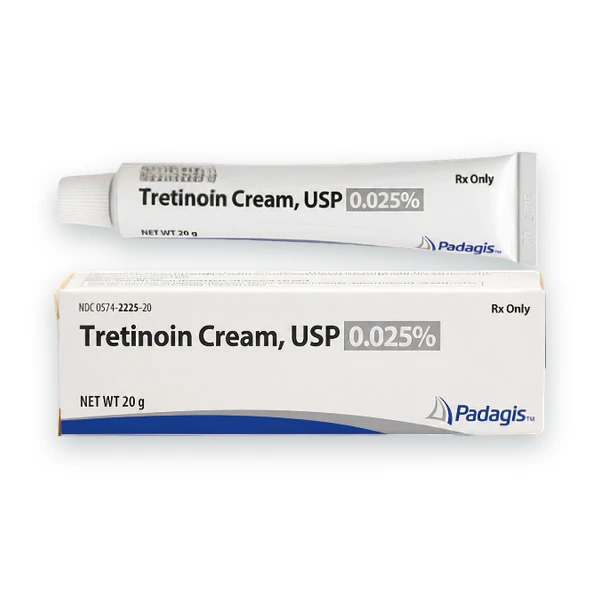
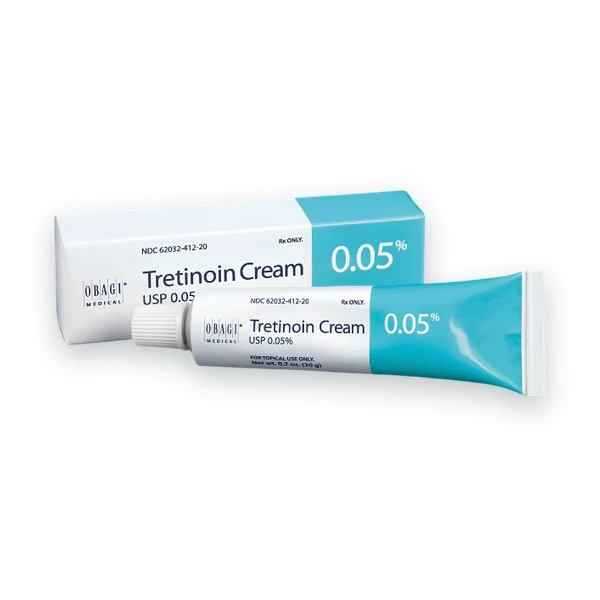
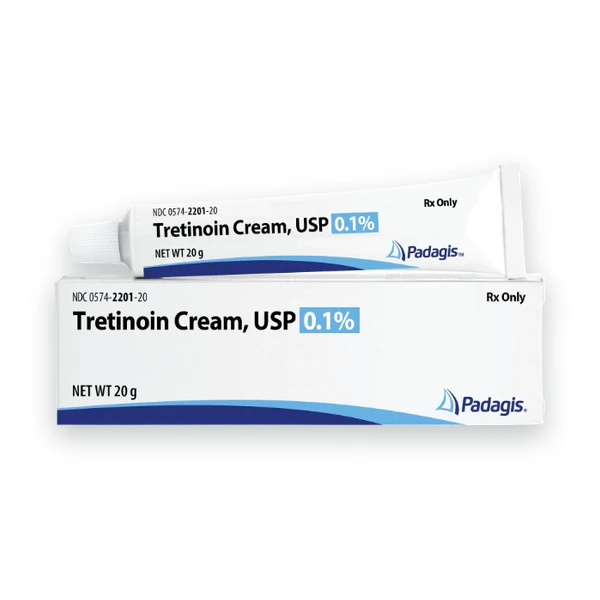

Tretinoin Cream

Acne Treatment

  • In stock
  • Including FREE discreet Delivery
Select Dosage
Select Quantity
Price:

Price preview only. You can choose monthly subscription or one-time order at checkout.

About

What is Tretinoin cream?

Tretinoin cream is a topical retinoid used to treat acne vulgaris. It works at the skin level and is typically used as part of a consistent acne treatment routine rather than as a one-time spot treatment. Based on the prescribing information provided, the supported cream strengths are 0.03%, 0.05%, and 0.1%.

  • A prescription topical treatment for acne vulgaris
  • Part of the retinoid family of medications
  • Applied directly to acne-prone skin
  • Used regularly over time, not just when breakouts appear
  • Intended for skin use only

How do I take Tretinoin cream?

Tretinoin cream is generally applied once daily at bedtime. It should be used in an amount that lightly covers the entire affected area where acne lesions appear, not just individual spots. The exact mode of action is not fully known, but it is associated with changes in pore lining cells that help reduce the formation of acne lesions.

  • Usually applied once daily, before going to bed
  • Spread lightly over the full affected area
  • Used on the skin, not taken by mouth
  • Skin should be clean before application
  • Makeup may be used, but the area should be thoroughly cleansed before applying tretinoin

What are the possible side effects?

Tretinoin cream can cause local skin reactions, especially when treatment begins or if too much is used. Common effects include warmth or slight stinging after application, along with redness, peeling, or discomfort. Some people may also become more sensitive to sunlight while using it.

  • Warmth or slight stinging may happen after application
  • Redness, peeling, and irritation can occur
  • Skin discomfort may be more noticeable with overuse
  • Stop use and contact your provider if your skin becomes severely red, blistered, swollen, or crusted
  • Seek medical advice promptly if you think you’re having a sensitivity reaction

Refer to the Prescribing Information for more detailled information.

*Prescription products require an online consultation with a licensed healthcare provider who will determine if treatment is appropriate. Individual results may vary.

How it works

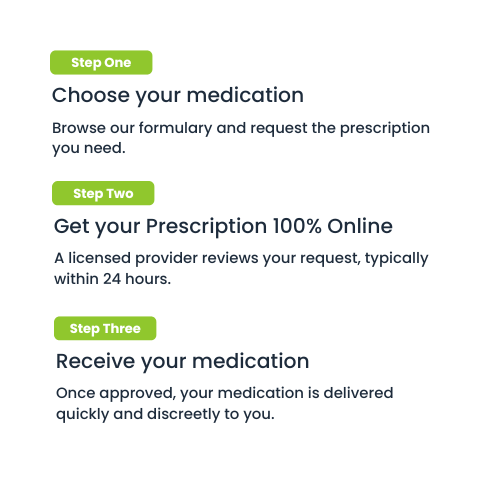
A few simple steps to your medication

1
Online Check
2
Medical Review
3
Fast Delivery

Healthcare. Made simple.

Convenient healthcare, without unnecessary waiting.

Order now

If not eligible: 100% money-back guarantee.

Licensed healthcare providers
24/7 access to care
One-time or subscription, cancel anytime

Topics

  1. 1. What is Tretinoin cream used for?
  2. 2. How does Tretinoin cream work in acne-prone skin?
  3. 3. How is Tretinoin cream generally used?
  4. 4. What should you expect during the first weeks of using Tretinoin cream?
  5. 5. What skin reactions can happen while using Tretinoin cream?
  6. 6. When should you be more careful while using Tretinoin cream?
  7. 7. What other skin products should you ask about before using Tretinoin cream?
  8. 8. Who should talk with a provider before using Tretinoin cream?
  9. 9. What should you do if Tretinoin cream irritates your skin too much?

What is Tretinoin cream used for?

Tretinoin cream is used for the topical treatment of acne vulgaris. On this label, the supported cream strengths are 0.025%, 0.05%, and 0.1%, and the product is intended for acne care rather than cosmetic skin concerns. It is used on acne-prone skin as part of a consistent routine, not as a one-time or occasional treatment.

  • Used for acne vulgaris only under this prescribing information
  • Applied directly to affected skin areas
  • Intended for regular use as directed
  • Not presented in this label as a treatment for wrinkles, scars, or dark spots
  • Strength-specific selection should be guided by a provider

How does Tretinoin cream work in acne-prone skin?

Tretinoin cream affects processes in the skin that are involved in acne formation. The prescribing information states that the exact mode of action is unknown, but it is associated with reduced cohesiveness of follicular epithelial cells, decreased microcomedo formation, and increased turnover of cells in the follicle. In practical terms, that means it helps address acne at the pore level.

  • Works within the skin where acne lesions develop
  • Associated with reduced formation of early clogged pores
  • Helps change how follicular skin cells shed and turn over
  • Should be described as a retinoid effect, not as a guaranteed result
  • Does not support stronger promotional claims beyond the acne indication

How is Tretinoin cream generally used?

Tretinoin cream is generally applied once daily at bedtime. It should be used in an amount that lightly covers the entire affected area where acne lesions appear, rather than being dabbed only on visible spots. The label also notes that cosmetics may be used, but the skin should be cleansed thoroughly before the medication is applied.

  • Apply once daily, usually before going to bed
  • Lightly cover the full affected area
  • Use on clean skin
  • For topical use only
  • Cleanse off makeup or cosmetics before application

What should you expect during the first weeks of using Tretinoin cream?

The first weeks of tretinoin treatment can feel uneven, and that can be frustrating. The label explains that inflammatory lesions may appear to worsen early in treatment because of the medication’s action on deep, previously unseen lesions. Therapeutic results may begin to appear after 2 to 3 weeks, but more than 6 weeks may be needed before definite beneficial effects are seen.

  • Early worsening in visible acne can happen
  • Improvement may take several weeks of consistent use
  • Early changes do not automatically mean the treatment is failing
  • Evaluation should be based on ongoing use, not a few days of treatment
  • Expectations should stay realistic and medically grounded

What skin reactions can happen while using Tretinoin cream?

Tretinoin cream can cause local skin reactions, especially during treatment initiation or when too much is applied. The label supports warmth or slight stinging after application, as well as redness, peeling, and discomfort. In some individuals, the skin can become more reactive, and changes in skin color have also been reported with repeated use.

  • Warmth or stinging may happen after application
  • Redness and peeling can occur on treated skin
  • Overuse can increase discomfort
  • Temporary skin color changes have been reported
  • More severe reactions should prompt provider review

For fuller risk details, refer to the Important Safety Information and Prescribing Information.

When should you be more careful while using Tretinoin cream?

You should be more careful with tretinoin cream when your skin is already stressed or when environmental exposure may make irritation worse. The label advises minimizing sunlight and sunlamp exposure and using sunscreen and protective clothing when sun exposure cannot be avoided. Extra caution is also needed on eczematous or sunburned skin, and the medication should be kept away from the eyes, mouth, angles of the nose, and mucous membranes.

  • Limit direct sun and artificial UV exposure
  • Use sun protection when outdoors
  • Be cautious if your skin is sunburned or irritated
  • Avoid sensitive facial openings and mucosal areas
  • Eczema-prone skin may react more strongly

What other skin products should you ask about before using Tretinoin cream?

Some topical products can make irritation more likely when used with tretinoin cream. The prescribing information specifically advises caution with other topical medications, medicated or abrasive cleansers, strong drying soaps and cosmetics, and products with high concentrations of alcohol, astringents, spices, or lime. Special caution is also advised if you recently used sulfur, resorcinol, or salicylic acid products.

  • Ask about exfoliating or drying products in your routine
  • Review any prescription acne treatments already in use
  • Be careful with alcohol-based or strongly astringent skincare
  • Recent sulfur, resorcinol, or salicylic acid use may matter
  • Your skin may need time to recover before starting tretinoin

Who should talk with a provider before using Tretinoin cream?

Some people should have a more detailed conversation with a provider before starting tretinoin cream. That includes people with known sensitivity to any ingredient in the product, people with eczema or very reactive skin, and people whose work or routine involves substantial sun exposure. Pregnancy and breastfeeding also deserve a provider review because the label advises caution and risk-benefit discussion.

  • Discuss use if you have had prior sensitivity reactions
  • Mention eczema or chronically irritated skin
  • Tell your provider if you spend long periods in the sun
  • Review use carefully if you are pregnant or planning pregnancy
  • Ask about breastfeeding before starting or continuing treatment

What should you do if Tretinoin cream irritates your skin too much?

If tretinoin cream irritates your skin too much, the label supports adjusting treatment rather than simply pushing through severe irritation. Depending on the degree of reaction, use may need to be reduced in frequency, temporarily discontinued, or stopped altogether until the skin recovers. Once irritation is controlled, treatment may sometimes be restarted if tolerated and if your provider agrees.

  • Do not keep increasing use when irritation is getting worse
  • Reducing frequency may be appropriate in some cases
  • Temporary interruption may be needed
  • Restart only when your skin can tolerate it
  • Contact your provider if reactions are pronounced or persistent

Important safety information

FAQ

How to get a Tretinoin prescription through US Quick Health?

You can request Tretinoin cream through a online consultation with a US-licensed healthcare provider on US Quick Health. After your medical history is reviewed and a prescription is approved, your medication will be shipped directly to your door in discreet packaging.

A prescription-based process is designed to help protect patient safety and ensure that sildenafil is used appropriately under medical supervision.

What should I do if I miss a dose of Tretinoin cream?

If you miss a dose, you don’t need to apply extra medication. Just continue with your next scheduled application. Using more than directed can increase irritation without improving results.

  • Skip the missed dose and continue your routine
  • Do not apply a double amount
  • Stay consistent with future applications
  • Set reminders if needed

If you’re unsure how to adjust your routine, your provider can help guide you.

What should I do if my skin becomes very red, peeled, or uncomfortable with Tretinoin cream?

Skin irritation can occur, especially early in treatment or with overuse. If symptoms become more intense, it may be necessary to adjust how often you use the medication or pause treatment.

  • Consider reducing how often you apply it
  • Avoid adding other irritating products
  • Do not continue use if reactions become severe
  • Contact your provider for next steps

Refer to the Important Safety Information if you’re unsure whether your reaction needs medical attention.

Can my acne look worse when I first start Tretinoin cream?

Yes, it’s possible for acne to appear worse at the beginning. The label explains that this can happen because the medication is acting on deeper, previously unseen lesions that become visible during early treatment.

  • Early worsening can occur in the first weeks
  • This does not automatically mean the treatment isn’t working
  • Consistent use is important for evaluation
  • Speak with your provider if you’re concerned

If the reaction feels severe or unexpected, check with your provider.

How long can it take to notice results with Tretinoin cream?

Results with tretinoin cream take time and vary by individual. According to the prescribing information, some changes may be noticed after a few weeks, but more noticeable improvement can take longer with continued use.

  • Early changes may appear after a few weeks
  • More consistent improvement may take several weeks
  • Results depend on regular use
  • Avoid stopping too early without guidance

If you don’t see improvement after a reasonable period, your provider may reassess your treatment.

Can I use more Tretinoin cream to get faster results?

Using more tretinoin cream than directed will not speed up results. In fact, it can increase the likelihood of redness, peeling, or discomfort without improving outcomes.

  • More product does not improve effectiveness
  • Overuse can increase irritation
  • Stick to your prescribed routine
  • Ask your provider before making changes

If your results feel slow, it’s better to review your plan rather than increasing use.

Can I wear makeup while using Tretinoin cream?

Yes, you can wear makeup while using tretinoin cream. The label notes that cosmetics may be used, but the skin should be thoroughly cleansed before applying the medication.

  • Remove makeup before applying tretinoin
  • Cleanse the skin properly before use
  • Avoid products that increase irritation
  • Monitor how your skin responds

If certain products seem to worsen irritation, consider reviewing them with your provider.

Can I use Tretinoin cream if I spend a lot of time in the sun?

Tretinoin can make your skin more sensitive to sunlight. If you spend time outdoors regularly, it’s important to take precautions to reduce the risk of irritation or sunburn.

  • Limit direct sun exposure when possible
  • Use sunscreen and protective clothing
  • Avoid tanning beds and sunlamps
  • Watch for signs of increased sensitivity

If you notice significant reactions, contact your provider and review the safety information.

Can I use Tretinoin cream with exfoliating products or other acne treatments?

Some products can increase irritation when used together with tretinoin cream. This includes exfoliating treatments, strong cleansers, or other acne medications.

  • Avoid harsh or abrasive products
  • Be cautious with medicated or drying skincare
  • Watch for increased redness or discomfort
  • Keep your routine simple when starting

If you want to combine treatments, it’s best to discuss it with your provider first.

Can I use Tretinoin cream if I’m pregnant, planning to become pregnant, or breastfeeding?

If you are pregnant, planning pregnancy, or breastfeeding, you should speak with a healthcare provider before using tretinoin cream. The prescribing information advises caution and recommends evaluating potential risks and benefits.

  • Inform your provider about pregnancy plans
  • Do not start or continue without medical guidance
  • Discuss breastfeeding before use
  • Follow provider recommendations closely

Refer to the full Prescribing Information for more details.

Can I put Tretinoin cream on sunburned or eczematous skin?

No, tretinoin cream should not be applied to sunburned or eczematous skin. The label warns that this can lead to more severe irritation.

  • Avoid applying to sunburned skin
  • Do not use on areas affected by eczema
  • Wait until the skin has healed
  • Monitor your skin condition before use

If you’re unsure whether your skin is ready, consult your provider.

Do I need a prescription to get Tretinoin cream on this platform?

Yes, tretinoin cream is typically available through a prescription process. A licensed healthcare provider will review your information to determine if the treatment is appropriate for you.

  • Complete an online medical assessment
  • A provider evaluates your condition
  • A prescription may be issued if appropriate
  • Medication is dispensed through a pharmacy

Approval depends on individual factors and provider judgment.

How should I store Tretinoin cream at home?

Tretinoin cream should be stored according to the instructions provided with your medication. Proper storage helps maintain its stability and effectiveness.

  • Store below 80°F (27°C)
  • Keep in a safe place away from children
  • Avoid extreme temperatures
  • Follow instructions on the packaging

If you’re unsure about storage conditions, your pharmacist can help.

Can I use Tretinoin cream after it expires?

It’s generally not recommended to use tretinoin cream after its expiration date. The safety and effectiveness may no longer be reliable.

  • Check the expiration date before use
  • Do not use expired medication unless advised
  • Dispose of expired products properly
  • Contact your pharmacy for a replacement

If you’re unsure, it’s best to replace the product.

Can I drink alcohol while using Tretinoin cream?

There are no specific warnings in the prescribing information about alcohol use with topical tretinoin. However, individual routines and skin responses can vary.

  • No direct interaction is listed in the label
  • Monitor how your skin responds
  • Avoid habits that may increase irritation
  • Speak with your provider if unsure

For personalized guidance, consult your healthcare provider.

Sources

References

Tretinoin Cream - topical retinoid indicated for the treatment of acne vulgaris. / Source: NCBI Link: https://dailymed.nlm.nih.gov/dailymed/drugInfo.cfm?setid=e0e25674-a9a8-4ad8-98b7-fcadce79d6be / Published: November 2009

Medically reviewed by

H. Igde - MD

Clinical Expertise: Anesthesiology, Emergency Medicine, Urology, and Oncology

Dr. Igde reviewed the medical information on this page for accuracy against current medical knowledge. This is an editorial, non-clinical review: it is not medical advice and does not create a doctor-patient relationship. Whether a treatment is appropriate for you is decided by an independent U.S. licensed provider.

For more information about the scope of the reviewed content and the role of our medical advisors, please visit our Medical Board page.

H. Igde - MD
Last updated on 02/28/2026Next information check will be on 01/29/2027

*All information presented on this page is for informational and educational purposes only and does not constitute medical advice, diagnosis, or treatment. Prescription products are available only after an online consultation with a licensed U.S. healthcare provider who determines if treatment is appropriate. Individual results may vary. US Quick Health LLC does not sell or ship medications directly. All prescriptions are fulfilled by licensed U.S. pharmacies.

Cookie preferences

Choose which cookies this site may use. Your choice is stored on this device and applies to every page. You can come back and change it at any time from the link in the footer.

More detail on what each category collects is in our Privacy Policy.