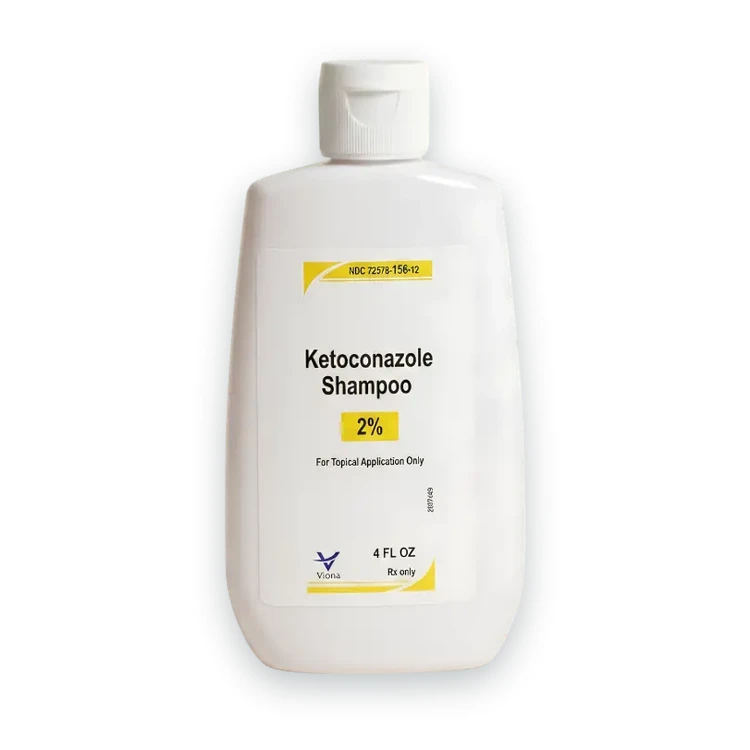

Ketoconazole

Scalp & Hair Treatment

  • In stock
  • Including FREE discreet Delivery
Select Dosage
Select Quantity
Price:

Price preview only. You can choose monthly subscription or one-time order at checkout.

About

What is Ketoconazole Shampoo?

Ketoconazole Shampoo is a medicated antifungal shampoo used to treat certain skin and scalp conditions caused by yeast or fungus. The prescription-strength 2% version is FDA-approved for fungal skin conditions, while lower-strength versions may be available over the counter. In hair loss care, providers may sometimes include it as part of a broader plan when scalp health is a factor.

It works on the scalp surface and is typically used alongside other treatments rather than on its own.

  • Antifungal shampoo (not a pill)
  • Available as 1% OTC and 2% prescription strength
  • Applied directly to the scalp
  • Helps target yeast-related scalp conditions
  • Sometimes included in hair loss routines based on provider judgment
  • Not FDA-approved specifically for hair loss

How do I take Ketoconazole Shampoo?

Ketoconazole Shampoo is used on the scalp like a regular shampoo, but with a slightly different routine. It’s usually applied to wet hair, lathered, left on for a short time, and then rinsed.

  • Apply to wet scalp and hair
  • Work into a lather
  • Leave on briefly before rinsing
  • Avoid contact with eyes
  • Use as directed by your provider or product instructions

The exact frequency may vary depending on your situation. Using more often than recommended will not improve results and may increase irritation.

What are the possible side effects?

Ketoconazole Shampoo is generally well tolerated, but some people may experience scalp or skin reactions. These effects are usually related to how the product interacts with your skin.

  • Itching or irritation
  • Dry or oily scalp
  • Changes in hair texture
  • Hair discoloration
  • Mild burning sensation

Stop using the shampoo and contact your provider if you notice severe irritation, rash, or worsening symptoms. Seek urgent medical care if you experience signs of a serious allergic reaction, such as swelling, difficulty breathing, or severe skin reactions.

For detailed information, please refer to the full Important Safety / precribing Information.

*Prescription products require an online consultation with a licensed healthcare provider who will determine if treatment is appropriate. Individual results may vary.

How it works

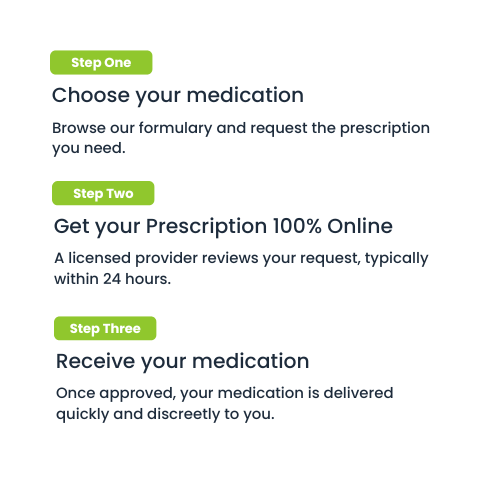
A few simple steps to your medication

1
Online Check
2
Medical Review
3
Fast Delivery

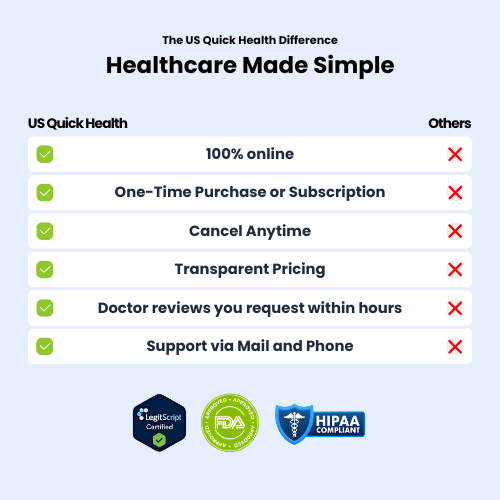
Healthcare. Made simple.

Convenient healthcare, without unnecessary waiting.

Order now

If not eligible: 100% money-back guarantee.

Licensed healthcare providers
24/7 access to care
One-time or subscription, cancel anytime

Topics

  1. 1. Why might a provider include Ketoconazole Shampoo in a hair loss routine?
  2. 2. What is the difference between 1% OTC and 2% prescription Ketoconazole Shampoo?
  3. 3. What should I know before using Ketoconazole Shampoo?
  4. 4. How is Ketoconazole Shampoo usually used?
  5. 5. What should I realistically expect when using Ketoconazole Shampoo as part of hair loss care?
  6. 6. What scalp or hair changes should I watch for?
  7. 7. When should I stop using Ketoconazole Shampoo and contact my provider?
  8. 8. Can Ketoconazole Shampoo get in my eyes or on sensitive skin?
  9. 9. Can I use Ketoconazole Shampoo with other hair loss products?

Why might a provider include Ketoconazole Shampoo in a hair loss routine?

In some cases, providers may include Ketoconazole Shampoo as part of a broader hair loss plan, especially when scalp health plays a role. While it’s an antifungal treatment, it may be considered when issues like flaking, oiliness, or yeast-related irritation are present.

  • May be used when scalp conditions are involved
  • Often combined with other treatments
  • Not usually used as a standalone solution
  • Based on individual assessment by your provider
  • Not FDA-approved specifically for hair loss

Your provider will decide if this fits into your treatment plan based on your scalp condition and overall goals.

What is the difference between 1% OTC and 2% prescription Ketoconazole Shampoo?

Ketoconazole Shampoo comes in two main strengths: 1% (available over the counter) and 2% (available by prescription). The stronger version requires provider approval.

  • 1% is available without a prescription
  • 2% requires a licensed provider
  • Strength may influence how it’s used
  • Your provider will recommend the right option

Because the prescription version is stronger, it’s typically used under medical supervision.

What should I know before using Ketoconazole Shampoo?

Before starting Ketoconazole Shampoo, your provider may review your scalp condition and any sensitivities. This helps reduce the risk of unwanted reactions.

  • Tell your provider about allergies or sensitivities
  • Avoid use on broken or irritated skin
  • Inform them about other scalp or hair products
  • Discuss pregnancy or breastfeeding
  • Avoid contact with eyes

This ensures the treatment is appropriate and safe for your situation.

How is Ketoconazole Shampoo usually used?

Ketoconazole Shampoo is used similarly to regular shampoo but with a more structured routine. It’s applied to the scalp, left on briefly, and then rinsed off.

  • Apply to wet hair and scalp
  • Massage into a lather
  • Leave on for a short period before rinsing
  • Avoid overuse
  • Follow provider or label instructions

The exact frequency depends on your situation. Using more often than recommended will not improve results.

What should I realistically expect when using Ketoconazole Shampoo as part of hair loss care?

Ketoconazole Shampoo is typically used to support scalp health rather than directly treat hair loss. Results may vary depending on your condition and overall treatment plan.

  • May help improve scalp condition
  • Works best as part of a broader routine
  • Not a guaranteed hair growth treatment
  • Individual response varies

Your provider may adjust your treatment plan over time based on how your scalp responds.

What scalp or hair changes should I watch for?

While using Ketoconazole Shampoo, you may notice changes in your scalp or hair. These are usually related to how your skin reacts to the product.

  • Itching or irritation
  • Dry or oily scalp
  • Changes in hair texture
  • Hair discoloration
  • Increased shedding in some cases

If these symptoms feel uncomfortable or persistent, contact your provider. See full safety details in the Prescribing Information.

When should I stop using Ketoconazole Shampoo and contact my provider?

You should contact your provider if you experience reactions that feel stronger than expected or do not improve.

  • Severe irritation or burning
  • Rash or swelling
  • Symptoms that worsen over time
  • Signs of allergic reaction

For serious symptoms, seek medical care immediately. Refer to Important Safety Information for full details.

Can Ketoconazole Shampoo get in my eyes or on sensitive skin?

Ketoconazole Shampoo can irritate sensitive areas like the eyes. It’s important to use it carefully and rinse thoroughly.

  • Avoid contact with eyes
  • Rinse immediately if contact occurs
  • Be careful around sensitive skin

If irritation continues after rinsing, contact your provider.

Can I use Ketoconazole Shampoo with other hair loss products?

In many cases, Ketoconazole Shampoo is used alongside other treatments, but combinations should be guided by your provider.

  • Avoid mixing treatments without guidance
  • Some products may increase irritation
  • Your provider may adjust your routine

A coordinated approach helps reduce side effects and keeps your treatment plan consistent.

Important safety information

FAQ

How should I store Ketoconazole Shampoo?

Proper storage helps maintain the quality and safety of the product.

  • Store at room temperature
  • Keep the bottle closed tightly
  • Protect from light
  • Keep out of reach of children

Do not use the product if it appears damaged or contaminated.

How long should I leave Ketoconazole Shampoo on before rinsing?

Ketoconazole Shampoo is typically left on the scalp for a few minutes before rinsing. This allows the active ingredient to work on the scalp.

  • Leave on for several minutes before rinsing
  • Do not rinse immediately after applying
  • Follow product or provider instructions

Leaving it on too long is not necessary and may increase irritation. Stick to a consistent routine.

Can I use Ketoconazole Shampoo every day?

You should not use Ketoconazole Shampoo more often than recommended. Using it too frequently may increase irritation without improving results.

  • Follow your provider’s instructions
  • Do not increase frequency on your own
  • Watch for signs of scalp irritation

If you feel you need to use it more often, discuss this with your provider first.

What is the difference between Ketoconazole Shampoo 1% OTC and 2% Rx?

Ketoconazole Shampoo comes in two strengths. The 1% version is available over the counter, while the 2% version requires a prescription.

  • 1% can be purchased without a prescription
  • 2% requires a provider’s approval
  • The stronger version is typically used under supervision

Your provider will help you decide which option is right for you.

Can Ketoconazole Shampoo help with dandruff or an itchy scalp?

Ketoconazole Shampoo is designed to treat certain scalp conditions caused by yeast or fungus. This may include flaking or itching related to these conditions.

  • May help reduce flaking
  • Can improve scalp comfort in some cases
  • Targets yeast-related scalp issues

It is not a general-purpose shampoo and should be used as directed.

Can I use Ketoconazole Shampoo with minoxidil or other hair loss treatments?

In some cases, Ketoconazole Shampoo may be used alongside other treatments, but this should be guided by your provider.

  • Avoid combining products without advice
  • Some combinations may increase irritation
  • Your routine may need adjustments

A coordinated plan helps reduce side effects and keeps treatment consistent.

What should I do if Ketoconazole Shampoo gets in my eyes?

If the shampoo gets into your eyes, rinse them thoroughly with water right away. The product may cause irritation.

  • Rinse immediately with clean water
  • Avoid rubbing your eyes
  • Seek help if irritation continues

If symptoms do not improve, contact your provider.

What should I do if my scalp feels irritated after using Ketoconazole Shampoo?

Some people may experience irritation while using Ketoconazole Shampoo. If this happens, you may need to adjust your routine.

  • Reduce frequency if advised
  • Stop use if irritation becomes severe
  • Contact your provider if symptoms persist

Your provider can help adjust your treatment if needed.

When should I stop using Ketoconazole Shampoo and contact a provider?

You should contact your provider if your symptoms feel unusual or worsen over time.

  • Severe irritation or burning
  • Rash or swelling
  • Signs of allergic reaction
  • Symptoms that do not improve

If symptoms are severe, seek medical care. Refer to safety information for full details.

Can I use Ketoconazole Shampoo if I’m pregnant or breastfeeding?

You should speak with your provider before using Ketoconazole Shampoo if you are pregnant or breastfeeding.

  • Inform your provider about your situation
  • Discuss potential risks and benefits
  • Follow medical advice carefully

Your provider will help determine the safest option for you.

Can children use Ketoconazole Shampoo?

The safety and effectiveness in children have not been fully established. You should consult a provider before use.

  • Not specifically approved for children
  • Use only if recommended by a provider
  • Monitor for reactions

Your provider can help decide if it’s appropriate.

Sources

References

Ketoconazole Shampoo 1% & 2% - topical antifungal treatment for dandruff (seborrheic dermatitis) and fungal scalp infections, reducing yeast growth and inflammation. / Source: NCBI

Link: https://dailymed.nlm.nih.gov/dailymed/lookup.cfm?setid=99da5233-2760-46f6-8fb3-d9df5da70bfb / Published: April 18, 2023

Medically reviewed by

H. Igde - MD

Clinical Expertise: Anesthesiology, Emergency Medicine, Urology, and Oncology

Dr. Igde reviewed the medical information on this page for accuracy against current medical knowledge. This is an editorial, non-clinical review: it is not medical advice and does not create a doctor-patient relationship. Whether a treatment is appropriate for you is decided by an independent U.S. licensed provider.

For more information about the scope of the reviewed content and the role of our medical advisors, please visit our Medical Board page.

H. Igde - MD
Last updated on 02/28/2026Next information check will be on 01/29/2027

*All information presented on this page is for informational and educational purposes only and does not constitute medical advice, diagnosis, or treatment. Prescription products are available only after an online consultation with a licensed U.S. healthcare provider who determines if treatment is appropriate. Individual results may vary. US Quick Health LLC does not sell or ship medications directly. All prescriptions are fulfilled by licensed U.S. pharmacies.

Cookie preferences

Choose which cookies this site may use. Your choice is stored on this device and applies to every page. You can come back and change it at any time from the link in the footer.

More detail on what each category collects is in our Privacy Policy.