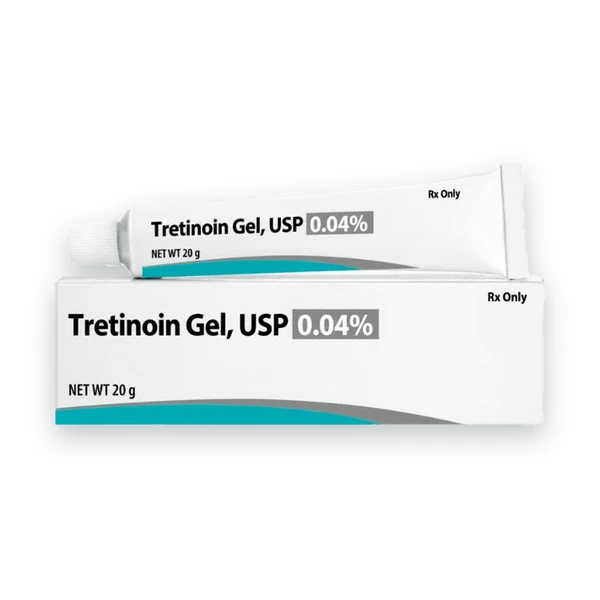
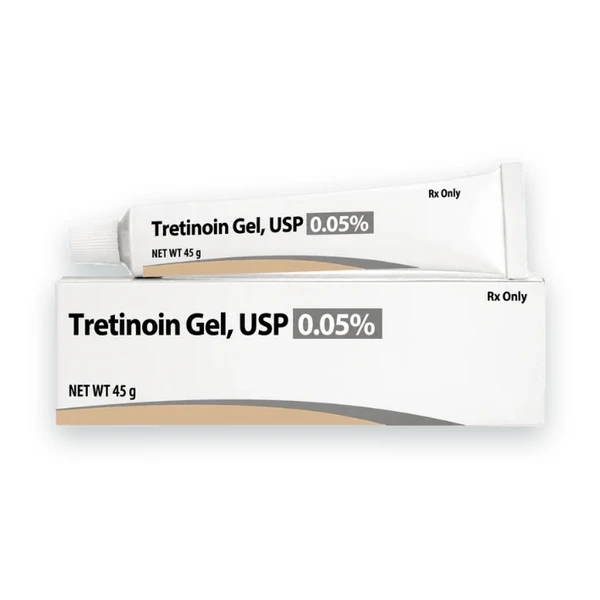
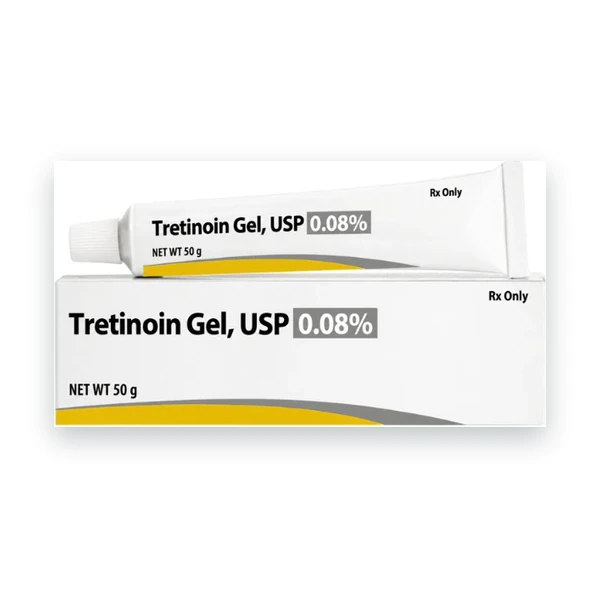
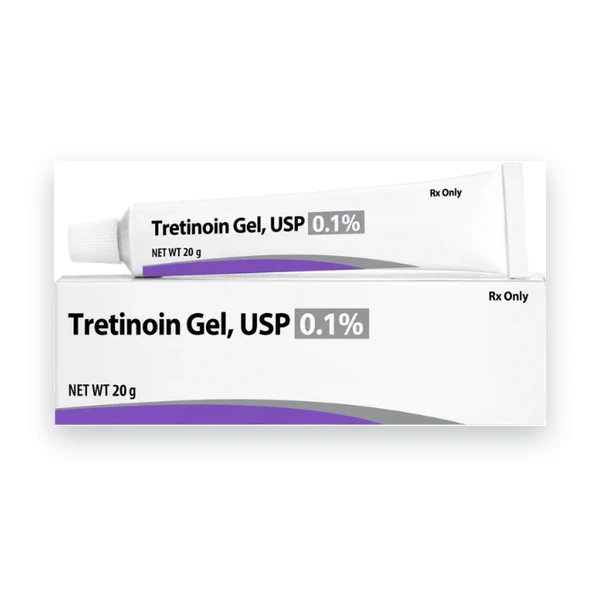
Tretinoin Gel

Acne Care

  • In stock
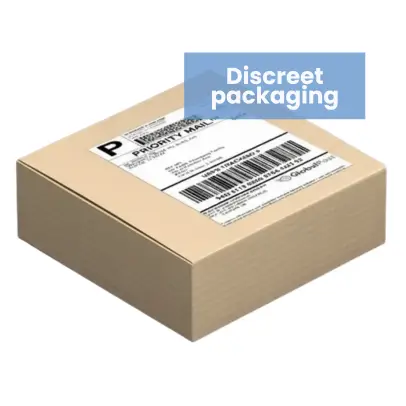
  • Including FREE discreet Delivery
Select Dosage
Select Quantity
Price:

Price preview only. You can choose monthly subscription or one-time order at checkout.

About

What is Tretinoin gel?

Tretinoin gel is a topical prescription medication used to treat acne vulgaris in adults and patients 12 years and older. It belongs to a group of medicines called retinoids, which act directly in the skin to address acne at the pore level. Based on the prescribing information provided, the supported strengths for this formulation are 0.04%, 0.08%, and 0.1%.

  • A prescription topical treatment for acne vulgaris
  • Part of the retinoid class of medications
  • Applied directly to acne-prone skin
  • Intended for consistent, ongoing use
  • Not for oral, eye, or internal use

How do I take Tretinoin gel?

Tretinoin gel is typically applied once daily in the evening. It should be used as a thin layer over the entire affected area after gently cleansing and drying the skin. The exact way it works is not fully known, but it is associated with changes in skin cell turnover and the formation of clogged pores.

  • Apply once daily, usually in the evening
  • Use a mild cleanser before application
  • Spread a thin layer over the affected area
  • Avoid contact with eyes, mouth, and sensitive areas
  • For topical use only

What are the possible side effects?

Tretinoin gel commonly causes local skin reactions, especially when starting treatment. These effects are usually limited to the treated area but can become more noticeable depending on skin sensitivity or how the product is used.

  • Skin irritation such as redness, dryness, peeling, or burning
  • Itching or discomfort at the application site
  • Sensitivity to sunlight during treatment
  • Stop use and contact your provider if severe irritation develops
  • Seek medical advice if symptoms like swelling or blistering occur

For detailed information see the prescribing information.

*Prescription products require an online consultation with a licensed healthcare provider who will determine if treatment is appropriate. Individual results may vary.

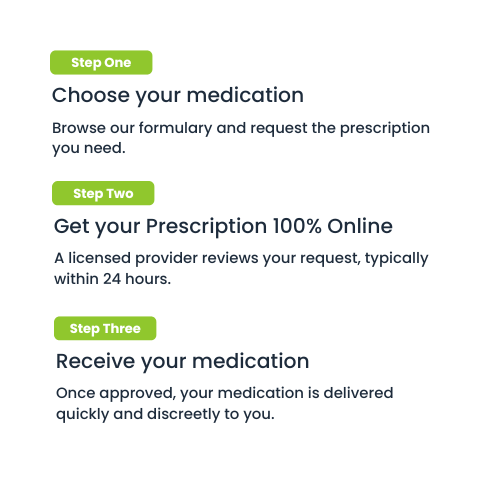
How it works

A few simple steps to your medication

1
Online Check
2
Medical Review
3
Fast Delivery

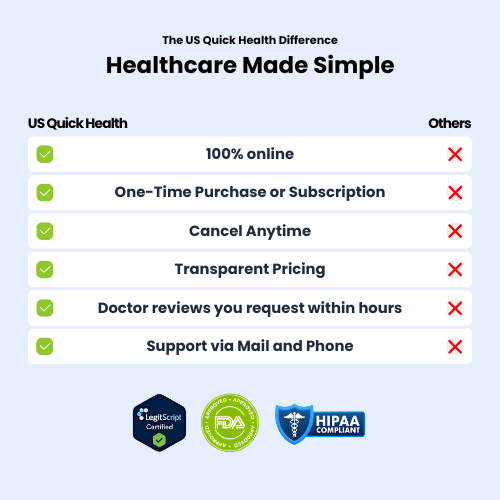
Healthcare. Made simple.

Convenient healthcare, without unnecessary waiting.

Order now

If not eligible: 100% money-back guarantee.

Licensed healthcare providers
24/7 access to care
One-time or subscription, cancel anytime

Topics

  1. 1. What is Tretinoin gel used for?
  2. 2. How does Tretinoin gel work in acne-prone skin?
  3. 3. How is Tretinoin gel generally used?
  4. 4. What should you expect during the first weeks of using Tretinoin gel?
  5. 5. What skin reactions can happen while using Tretinoin gel?
  6. 6. When should you be more careful while using Tretinoin gel?
  7. 7. What other skin products should you ask about before using Tretinoin gel?
  8. 8. Who should talk with a provider before using Tretinoin gel?
  9. 9. What should you do if Tretinoin gel irritates your skin too much?

What is Tretinoin gel used for?

Tretinoin gel is used for the topical treatment of acne vulgaris in adults and patients 12 years of age and older. It is applied directly to the skin and is intended to be part of a structured acne routine rather than an occasional or spot-only treatment. Based on the prescribing information provided, the supported strengths for this formulation are 0.04%, 0.08%, and 0.1%.

  • Used for acne vulgaris under medical supervision
  • Applied to areas where acne lesions occur
  • Intended for consistent use over time
  • Not described in this label for cosmetic skin concerns
  • Strength selection should be guided by a provider

How does Tretinoin gel work in acne-prone skin?

Tretinoin gel works within the skin to influence processes involved in acne formation. The exact mechanism is not fully known, but it is associated with changes in how skin cells behave inside the pores, including reduced formation of early clogged pores and increased turnover of follicular skin cells.

  • Affects the skin at the level where acne develops
  • Associated with reduced formation of microcomedones
  • Helps normalize skin cell turnover in follicles
  • Should be described as a retinoid effect, not a guaranteed outcome
  • Avoid interpreting results as immediate or uniform

How is Tretinoin gel generally used?

Tretinoin gel is typically applied once daily in the evening. Before applying, the skin should be gently cleansed with a mild, non-medicated cleanser and allowed to dry. A thin layer is then applied to cover the entire affected area, not just visible spots.

  • Apply once daily, usually at night
  • Cleanse skin with a mild cleanser before use
  • Apply a thin layer across the affected area
  • Avoid contact with eyes, lips, and mucous membranes
  • For external use only

What should you expect during the first weeks of using Tretinoin gel?

The first few weeks of treatment can involve noticeable changes in the skin. The prescribing information explains that acne may appear to worsen early on, as the medication acts on deeper lesions that were not previously visible. Improvements may begin after about 2 weeks, but more than 7 weeks may be required for more consistent results.

  • Early worsening of acne can occur
  • Visible improvement may take several weeks
  • Initial changes do not necessarily indicate treatment failure
  • Consistent use is important for evaluation
  • Follow-up with a provider may be helpful over time

What skin reactions can happen while using Tretinoin gel?

Tretinoin gel commonly causes local skin reactions, especially during the early phase of treatment or with increased exposure. These reactions are typically limited to the application site but can vary depending on individual sensitivity.

  • Redness, dryness, and peeling of the skin
  • Burning or stinging sensations
  • Itching or irritation
  • Skin discomfort at treated areas
  • More pronounced reactions should be evaluated by a provider

For more detailed safety information, refer to the Important Safety Information and Prescribing Information.

When should you be more careful while using Tretinoin gel?

Certain conditions can increase the likelihood of irritation while using tretinoin gel. The prescribing information advises limiting exposure to sunlight and artificial UV sources and taking additional precautions when the skin is already sensitive or damaged.

  • Avoid excessive sun or UV exposure
  • Use sunscreen and protective clothing outdoors
  • Do not apply to sunburned skin
  • Be cautious if you have eczema or sensitive skin
  • Weather conditions like wind or cold may increase irritation

What other skin products should you ask about before using Tretinoin gel?

Some skincare products can increase irritation when used with tretinoin gel. It is important to review your current routine, especially if it includes products known to dry or irritate the skin.

  • Avoid abrasive or medicated cleansers
  • Be cautious with alcohol-based or strongly drying products
  • Watch for irritation when combining acne treatments
  • Products with benzoyl peroxide, sulfur, or salicylic acid may need adjustment
  • Discuss your routine with a provider before combining treatments

Who should talk with a provider before using Tretinoin gel?

Before starting tretinoin gel, certain individuals should consult a healthcare provider to ensure safe and appropriate use. This is especially important if there are existing skin conditions or life circumstances that may affect treatment.

  • People with eczema or highly sensitive skin
  • Individuals with frequent or unavoidable sun exposure
  • Patients under 12 years of age
  • Those who are pregnant or planning pregnancy
  • Individuals who are breastfeeding

A provider can help assess risks and determine if this treatment is appropriate.

What should you do if Tretinoin gel irritates your skin too much?

If irritation becomes significant, adjustments may be necessary. The prescribing information supports temporarily stopping treatment or modifying use depending on the severity of the reaction. Treatment may be resumed once the skin has recovered and if tolerated.

  • Do not continue use if irritation becomes severe
  • Temporary interruption may be needed
  • Restart only when your skin can tolerate it
  • Avoid adding other irritating products
  • Contact your provider if symptoms persist

Important safety information

FAQ

How should Tretinoin gel be stored and accessed through a prescription process?

Tretinoin gel should be stored at room temperature and handled according to the instructions provided with the medication. It is available through a prescription, and access typically involves evaluation by a licensed healthcare provider.

  • Store at 68°F - 77°F (20°C - 25°C)
  • Keep the container upright if using a pump
  • Avoid extreme temperatures
  • Keep out of reach of children
  • Obtain through a prescription-based process

What should I do if I miss a dose of Tretinoin gel?

If you miss a dose, you don’t need to apply extra gel to make up for it. Simply continue with your next scheduled application. Using more than directed can increase irritation without improving results.

  • Skip the missed dose and return to your routine
  • Do not apply a double amount
  • Focus on consistency going forward
  • Set reminders if needed

If you’re unsure how to adjust your routine, your provider can help guide you.

What should I do if my skin gets very red, dry, itchy, or starts to peel with Tretinoin gel?

Skin irritation can happen, especially early in treatment. If symptoms become more noticeable or uncomfortable, it may be necessary to pause or adjust how often you use the gel.

  • Consider stopping temporarily if irritation is significant
  • Avoid combining with other irritating products
  • Restart only once your skin has recovered
  • Contact your provider if symptoms persist

Refer to the Important Safety Information for guidance on when to seek medical advice.

Can my acne look worse when I first start Tretinoin gel?

Yes, your acne may appear worse during the first weeks of treatment. This can happen because the medication is affecting deeper, previously unseen lesions that come to the surface early on.

  • Early worsening can occur in the first weeks
  • This does not necessarily mean treatment is failing
  • Continue as directed unless advised otherwise
  • Speak with your provider if you’re concerned

If the reaction feels severe or unusual, check with your provider.

How long can it take to notice results with Tretinoin gel?

Tretinoin gel works over time, and results can vary. Some changes may be noticed after a couple of weeks, but more consistent improvement may take longer with continued use.

  • Early changes may appear after a few weeks
  • More noticeable results may take longer
  • Consistency is important for evaluation
  • Avoid stopping treatment too early

If you don’t see improvement after several weeks, your provider may reassess your plan.

Can I use more Tretinoin gel to get faster results?

Using more gel than directed will not make it work faster. In fact, it can increase the likelihood of redness, peeling, and discomfort without improving results.

  • More product does not improve effectiveness
  • Overuse can increase irritation
  • Stick to your prescribed routine
  • Ask your provider before making changes

If your results feel slow, it’s better to review your treatment plan with your provider.

Can I use moisturizer while I’m using Tretinoin gel?

Yes, a moisturizer can be helpful while using tretinoin gel, especially if your skin feels dry or irritated. Using a compatible product may help support your skin during treatment.

  • Moisturizer may help reduce dryness
  • Choose products that are not irritating
  • Apply as directed by your provider
  • Monitor how your skin responds

If you’re unsure which products to use, ask your provider for guidance.

Can I use Tretinoin gel with other acne products or exfoliating skincare?

Some products can increase irritation when used together with tretinoin gel. This includes exfoliating treatments or other acne medications that may dry or irritate the skin.

  • Avoid harsh or abrasive skincare
  • Be cautious with medicated or drying products
  • Watch for increased irritation
  • Keep your routine simple when starting

Can I use Tretinoin gel if I’m pregnant, planning to become pregnant, or breastfeeding?

If you are pregnant, planning pregnancy, or breastfeeding, you should speak with your provider before using tretinoin gel. The prescribing information advises caution and recommends evaluating risks and benefits.

  • Inform your provider about pregnancy plans
  • Use only if advised by a healthcare professional
  • Discuss breastfeeding before use
  • Follow provider recommendations closely

Refer to the Prescribing Information for more details.

Can I put Tretinoin gel on sunburned or eczematous skin?

No, tretinoin gel should not be applied to sunburned or eczematous skin. This can increase irritation and may worsen the condition of your skin.

  • Avoid use on sunburned skin
  • Do not apply to eczema-affected areas
  • Wait until your skin has healed
  • Monitor skin condition before use

Do I need a prescription to get Tretinoin gel on this platform?

Yes, tretinoin gel is typically provided through a prescription. A licensed healthcare provider will review your information to determine if the treatment is appropriate.

  • Complete an online medical assessment
  • A provider evaluates your condition
  • A prescription may be issued if appropriate
  • Medication is dispensed through a pharmacy

Approval depends on your individual situation.

How should I store Tretinoin gel at home?

Tretinoin gel should be stored at room temperature and handled according to the instructions provided with your medication. Proper storage helps maintain its stability.

  • Store at 68°F - 77°F (20°C - 25°C)
  • Keep the container upright if applicable
  • Avoid extreme heat or cold
  • Keep out of reach of children

Can I use Tretinoin gel after it expires?

It’s generally not recommended to use tretinoin gel after its expiration date. The effectiveness and safety may no longer be reliable.

  • Check the expiration date before use
  • Do not use expired medication unless advised
  • Dispose of expired products properly
  • Contact your pharmacy if you need a replacement

When in doubt, it’s safer to replace the medication.

Can I drink alcohol while using Tretinoin gel?

There are no specific warnings in the prescribing information about alcohol use with topical tretinoin. However, skincare routines and individual sensitivity can vary.

  • No direct interaction is listed in the label
  • Monitor your skin’s response during treatment
  • Avoid products that increase irritation
  • Speak with your provider if unsure

Sources

References

Tretinoin Gel Microsphere - topical retinoid indicated for the treatment of acne vulgaris in patients aged 12 years and older. / Source: NCBI

Link: https://dailymed.nlm.nih.gov/dailymed/lookup.cfm?setid=d3c528d2-429d-4f37-9ebf-eee8b9fd3050 / Published: September 30, 2025

Medically reviewed by

H. Igde - MD

Clinical Expertise: Anesthesiology, Emergency Medicine, Urology, and Oncology

Dr. Igde reviewed the medical information on this page for accuracy against current medical knowledge. This is an editorial, non-clinical review: it is not medical advice and does not create a doctor-patient relationship. Whether a treatment is appropriate for you is decided by an independent U.S. licensed provider.

For more information about the scope of the reviewed content and the role of our medical advisors, please visit our Medical Board page.

H. Igde - MD
Last updated on 02/28/2026Next information check will be on 01/29/2027

*All information presented on this page is for informational and educational purposes only and does not constitute medical advice, diagnosis, or treatment. Prescription products are available only after an online consultation with a licensed U.S. healthcare provider who determines if treatment is appropriate. Individual results may vary. US Quick Health LLC does not sell or ship medications directly. All prescriptions are fulfilled by licensed U.S. pharmacies.

Cookie preferences

Choose which cookies this site may use. Your choice is stored on this device and applies to every page. You can come back and change it at any time from the link in the footer.

More detail on what each category collects is in our Privacy Policy.