

Doxycycline

Oral Antibiotic Acne Treatment

  • In stock
  • Including FREE discreet Delivery
Select Dosage
Select Quantity
Price:

Price preview only. You can choose monthly subscription or one-time order at checkout.

About

What is Doxycycline?

Doxycyclin is a prescription oral antibiotic in the tetracycline class. Based on the prescribing information provided, this medication is approved for a range of bacterial infections, and in severe acne it may also be used as part of treatment rather than as a stand-alone acne-only product. It works throughout the body after you swallow it, so it should be used exactly as directed by a healthcare provider.

  • A prescription oral tetracycline-class antibiotic
  • Used for certain bacterial infections
  • May be used as adjunctive therapy in severe acne
  • Taken by mouth, not applied to the skin
  • Intended for provider-directed treatment, not self-adjusted use

What dosages of Doxycycline capsules are available?

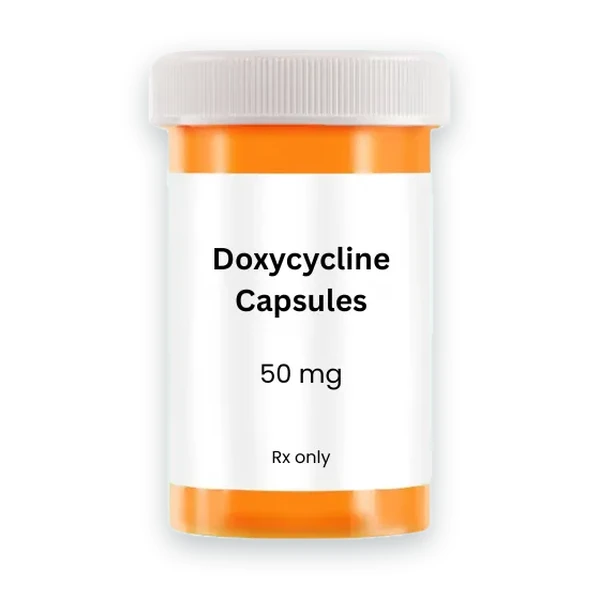
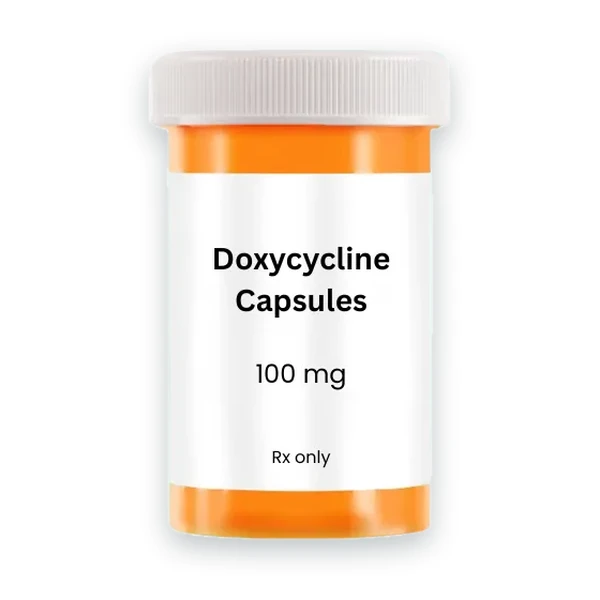
Doxycycline is available in the following dosages:

50mg, 100mg and 200mg.

A provider will determine if medication is appropriate.

How do I take Doxycycline?

Doxycyclin is taken by mouth, and the exact dose depends on the condition being treated. A key safety point is to swallow the capsule with plenty of fluids, because this helps lower the risk of throat or esophageal irritation. The label also notes that food or milk does not markedly affect doxycycline absorption, although some other products may still interfere with how well it is absorbed.

  • Take the capsule by mouth exactly as prescribed
  • Drink plenty of fluids when taking each dose
  • Avoid taking it right before lying down or going to bed
  • Follow the specific schedule your provider gives you
  • Ask your provider before taking it with other stomach remedies or similar products

What are the possible side effects?

Doxycycline can cause stomach, throat, skin, and allergy-related side effects. Reported reactions include nausea, vomiting, diarrhea, trouble swallowing, throat irritation, rash, and sensitivity to sunlight. Some side effects can be serious, so it is important to know when to stop the medication and get medical advice.

  • Stomach-related effects can include nausea, vomiting, or diarrhea
  • Throat or esophageal irritation can happen, especially if taken without enough water
  • Skin reactions and increased sensitivity to sunlight may occur
  • Stop use and seek medical care if you develop watery or bloody diarrhea
  • Contact a provider right away if you have severe rash, trouble swallowing, or signs of an allergic reaction

For more details see Important Safety Information.

*Prescription products require an online consultation with a licensed healthcare provider who will determine if treatment is appropriate. Individual results may vary.

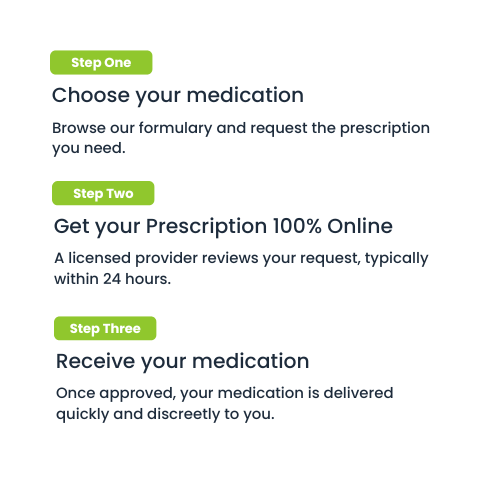
How it works

A few simple steps to your medication

1
Online Check
2
Medical Review
3
Fast Delivery

Healthcare. Made simple.

Convenient healthcare, without unnecessary waiting.

Order now

If not eligible: 100% money-back guarantee.

Licensed healthcare providers
24/7 access to care
One-time or subscription, cancel anytime

Topics

  1. 1. What is Doxycycline used for?
  2. 2. How does Doxycycline work in the body?
  3. 3. What should you expect when starting with Doxycycline?
  4. 4. What stomach, throat, or skin reactions can happen while using Doxycycline?
  5. 5. When should you be more careful while using Doxycycline?
  6. 6. Who should talk with a provider before using Doxycycline?
  7. 7. What symptoms should make you stop Doxycycline and get medical advice?
  8. 8. What other medicines or products should you mention before using Doxycycline?
  9. 9. How should Doxycycline be stored and accessed through a prescription process?

What is Doxycycline used for?

Doxycycline capsules are used to treat a range of bacterial infections in the body. This is not an acne-only medication based on the provided prescribing information. In dermatology settings, it may be used as part of treatment for severe acne, but that use is typically as an add-on rather than a standalone therapy.

  • Used for bacterial infections in different parts of the body
  • May be used as part of treatment in severe acne
  • Works systemically after being taken by mouth
  • Requires a prescription and provider oversight
  • Should only be used when appropriate for bacterial conditions

Because this medication is part of a broader antibiotic category, it’s important that use is guided by a provider to avoid unnecessary exposure or misuse.

How does Doxycycline work in the body?

Doxycycline works by interfering with how bacteria produce essential proteins, which helps slow or stop their growth. This action makes it effective against a wide range of bacteria, but it also means it should be used carefully and only when needed.

  • Blocks bacterial protein production
  • Slows or stops bacterial growth
  • Works throughout the body after absorption
  • Does not directly “target” symptoms like redness or swelling
  • Requires proper use to support effectiveness

For acne-related use, the benefit comes from its antibacterial activity, but this should not be framed as a guaranteed or fast-acting result.

What should you expect when starting with Doxycycline?

When starting doxycycline, consistency matters. The medication should be taken for the full duration your provider recommends, even if symptoms begin to improve earlier. Stopping early or using it inconsistently may affect how well it works.

  • Effects depend on the condition being treated
  • Improvement may take time and varies by person
  • Completing the full course is important
  • Follow-up may be needed depending on response
  • Do not stop early without provider guidance

If this medication is used for acne as part of a broader plan, your provider may reassess your treatment over time.

What stomach, throat, or skin reactions can happen while using Doxycycline?

Doxycycline can affect different parts of the body, including the digestive system, throat, and skin. These reactions vary between individuals and should be monitored during use.

  • Nausea, vomiting, or diarrhea may occur
  • Throat discomfort or difficulty swallowing can happen
  • Skin reactions such as rash may develop
  • Sensitivity to sunlight may increase
  • Ongoing or worsening symptoms should be evaluated

When should you be more careful while using Doxycycline?

Certain situations require extra caution when taking doxycycline. These include how you take the medication and how you manage environmental exposure like sunlight.

  • Avoid lying down immediately after taking it
  • Use sun protection and limit UV exposure
  • Monitor for changes in digestion
  • Be cautious if combining with other products
  • Follow provider instructions closely

These precautions are practical steps to help reduce known risks associated with this medication.

Who should talk with a provider before using Doxycycline?

Before starting doxycycline, it’s important to review your medical history and current situation with a provider. Some groups may need additional consideration before use.

  • People with known tetracycline allergies
  • Those who are pregnant or planning pregnancy
  • Individuals who are breastfeeding
  • Children under 8 years old
  • Anyone with concerns about current medications

Your provider can help determine whether this medication is appropriate and safe for your situation.

What symptoms should make you stop Doxycycline and get medical advice?

Some symptoms should not be ignored and may require stopping the medication and contacting a healthcare provider.

  • Watery or bloody diarrhea
  • Severe stomach pain or cramping
  • Trouble swallowing or chest discomfort
  • Severe skin reactions or rash
  • Signs of an allergic reaction

If any of these occur, stop using the medication and seek medical guidance promptly. Refer to the Important Safety Information for full details.

What other medicines or products should you mention before using Doxycycline?

Before starting doxycycline, let your provider know about other medications, supplements, or over-the-counter products you are using. Some substances can affect how the medication works.

  • Mention stomach remedies or similar products
  • Discuss any ongoing prescriptions
  • Share supplement use
  • Ask about timing with other medications
  • Avoid assumptions about compatibility

Even common products may affect absorption, so it’s important to review everything with your provider.

How should Doxycycline be stored and accessed through a prescription process?

Doxycycline capsules should be stored properly and obtained through a prescription process to ensure safe and appropriate use.

  • Store at room temperature
  • Protect from light
  • Keep in original or appropriate container
  • Keep out of reach of children
  • Obtain through a licensed provider

Access depends on a medical evaluation, and the medication should only be used as prescribed.

Important safety information

FAQ

What should I do if I miss a dose of Doxycycline?

If you miss a dose, take it as soon as you remember unless it’s close to your next scheduled dose. In that case, skip the missed one and continue your regular schedule.

  • Do not take two doses at the same time
  • Stay consistent with your dosing schedule
  • Use reminders if needed
  • Ask your provider if you’re unsure how to adjust

If you miss doses frequently, it’s a good idea to discuss this with your provider to keep your treatment on track.

What should I do if Doxycycline upsets my stomach?

Stomach discomfort can happen with doxycycline. Taking it correctly can help reduce this risk.

  • Take it with a full glass of water
  • Stay upright after taking it
  • Avoid taking it right before bed
  • Monitor how your body responds

If stomach issues continue or become difficult to manage, contact your provider. They may suggest adjustments or evaluate whether this medication is still appropriate for you.

What should I do if I get watery or bloody diarrhea while using Doxycycline?

Watery or bloody diarrhea can be a serious reaction associated with antibiotics and should not be ignored.

If this happens, stop taking the medication and contact your provider right away. Do not try to treat it on your own with over-the-counter products without guidance.

This type of symptom can occur even after you stop the medication, so it’s important to mention recent antibiotic use when speaking with a provider.

What should I do if Doxycycline hurts my throat or feels like it is sticking?

Doxycycline can sometimes irritate the throat or esophagus, especially if it is taken without enough water or right before lying down.

  • Drink a full glass of water with each dose
  • Stay upright after taking it
  • Avoid taking it immediately before bed
  • Stop use and contact your provider if pain continues

Persistent discomfort, chest pain, or trouble swallowing should be evaluated by a healthcare provider.

Can I take Doxycycline with food or milk?

Doxycycline can generally be taken with food or milk, and doing so may help reduce stomach discomfort. The prescribing information indicates that food does not significantly affect how it is absorbed.

  • Taking it with food may improve tolerance
  • Milk does not markedly reduce absorption
  • Stay consistent with how you take it
  • Ask your provider if you have specific concerns

If you are unsure about how to take it with your meals, your provider or pharmacist can guide you.

Can I take bismuth subsalicylate while using Doxycycline?

Bismuth-containing products may affect how doxycycline is absorbed. Because of this, it’s important to discuss any stomach remedies or over-the-counter medications with your provider.

  • Mention all over-the-counter products
  • Ask about timing if both are needed
  • Avoid combining without guidance
  • Monitor for reduced effectiveness

Your provider can help you decide how to use both safely, if needed.

Can I stay in the sun while using Doxycycline?

Doxycycline can make your skin more sensitive to sunlight. This means you may be more likely to burn when exposed to the sun or artificial UV light.

  • Limit direct sun exposure
  • Use sunscreen and protective clothing
  • Avoid tanning beds
  • Stop use and contact a provider if severe skin reactions occur

If you notice unusual skin reactions after sun exposure, it’s important to seek medical advice.

Can I use Doxycycline if I’m pregnant or breastfeeding?

Doxycycline may not be appropriate during pregnancy or breastfeeding due to potential risks. You should speak with your provider before starting or continuing this medication.

They can help evaluate whether the benefits outweigh the risks based on your situation. Do not make changes to your treatment without professional guidance.

Can children take Doxycycline?

Doxycycline is generally not recommended for children under 8 years old unless a provider determines it is necessary. This is due to potential effects on developing teeth.

If you are considering this medication for a child, consult a healthcare provider. They can assess whether it is appropriate and discuss alternative options if needed.

How long should I use Doxycycline before I check back with my provider?

The duration of treatment depends on the condition being treated. Some courses may be shorter, while others require longer follow-up.

  • Follow the timeline your provider gives you
  • Do not stop early without guidance
  • Check in if symptoms are not improving
  • Report any concerns during treatment

Your provider will let you know when to follow up based on your progress.

Do I need a prescription to get Doxycycline on this platform?

Yes, doxycycline capsules require a prescription. A licensed provider must review your health information before it can be prescribed.

  • Complete a medical evaluation
  • A provider reviews your case
  • A prescription may be issued if appropriate
  • Medication is dispensed through a pharmacy

Access depends on whether the treatment is suitable for you.

Sources

References

Doxycycline Capsules - broad-spectrum oral antibiotic used to treat bacterial infections and as adjunct therapy for severe acne. / Source: NCBI Link: https://dailymed.nlm.nih.gov/dailymed/drugInfo.cfm?setid=829dbd3d-5c2b-47b8-96a5-423af78c93b9 / Published: April 24, 2025

Medically reviewed by

H. Igde - MD

Clinical Expertise: Anesthesiology, Emergency Medicine, Urology, and Oncology

Dr. Igde reviewed the medical information on this page for accuracy against current medical knowledge. This is an editorial, non-clinical review: it is not medical advice and does not create a doctor-patient relationship. Whether a treatment is appropriate for you is decided by an independent U.S. licensed provider.

For more information about the scope of the reviewed content and the role of our medical advisors, please visit our Medical Board page.

H. Igde - MD
Last updated on 02/28/2026Next information check will be on 01/29/2027

*All information presented on this page is for informational and educational purposes only and does not constitute medical advice, diagnosis, or treatment. Prescription products are available only after an online consultation with a licensed U.S. healthcare provider who determines if treatment is appropriate. Individual results may vary. US Quick Health LLC does not sell or ship medications directly. All prescriptions are fulfilled by licensed U.S. pharmacies.

Cookie preferences

Choose which cookies this site may use. Your choice is stored on this device and applies to every page. You can come back and change it at any time from the link in the footer.

More detail on what each category collects is in our Privacy Policy.