
Is an online pharmacy legit? How to check before you order
You can tell if an online pharmacy is legit in about five minutes. A legitimate online pharmacy always requires a valid prescription, is licensed by a U.S. state board of pharmacy, lists a physical U.S. address and phone number, and has a licensed pharmacist you can talk to. If a website fails any of these, or you cannot confirm its license yourself, do not order from it.
This guide walks through the official checks from the FDA and the National Association of Boards of Pharmacy (NABP), the red flags of a fake site, and what to do if you have already ordered from one.
Key takeaways
- The prescription test comes first. A site that sells prescription medicine without one is not a legitimate pharmacy.
- Verify the license outside the site. Use your state board of pharmacy lookup. The FDA says that if the pharmacy is not listed, you should not use it.
- Use NABP’s free tools. Its Safe Site Search on safe.pharmacy shows whether NABP has verified a site, placed it on its Not Recommended list, or not reviewed it yet.
- Prices that look too good to be true are a warning sign, according to the FDA, especially for popular drugs such as GLP-1 weight loss medicines.
- Telehealth platforms are not pharmacies. Check who the prescribing provider is and which licensed pharmacy fills the prescription.
New to online care? Start with how online prescriptions work, a step-by-step walk through the process.
Why it matters
Buying medicine online is common and convenient, but not every website that looks like a pharmacy is one. The FDA warns that some websites sell medicines that are “dangerous or even deadly”. A fake or unlicensed seller can ship a product with the wrong active ingredient, too much or too little of it, or none at all, and there is usually no pharmacist checking it against your other medicines.
The good news: legitimate pharmacies are easy to verify, because licenses are public.
Signs of a legitimate online pharmacy
The FDA’s BeSafeRx campaign lists four signs of a safe online pharmacy. It:
- Always requires a prescription from a doctor or other licensed provider.
- Provides a physical address and telephone number in the United States.
- Has a licensed pharmacist available to answer your questions.
- Is licensed by a state board of pharmacy.
A site can claim all four on its homepage, so treat them as a checklist to verify, not as proof.
How to check an online pharmacy in 5 steps
Step 1: Confirm it asks for a prescription
A legitimate service never sends a prescription medicine without a valid prescription. It either asks for one from your own provider or connects you with a licensed provider who reviews your health information before anything is dispensed. Some services take payment up front, but then a provider can still decline, and the site should say what happens to your money if they do. If a site promises to ship a prescription drug with nothing but a card number, stop there.
Step 2: Look up the license with the state board of pharmacy
Every U.S. pharmacy, including an online one, needs a license from the state board of pharmacy. Find the pharmacy’s legal name and address on its website, then search for it in the online license lookup of your state’s board of pharmacy. The FDA explains how on its Locate a State-Licensed Online Pharmacy page, and puts it plainly: if the online pharmacy is not listed, you should not use that pharmacy.
Step 3: Check the site with NABP
NABP, the association of the state boards of pharmacy, runs Safe Pharmacy, a free site where you can type in a web address and see whether NABP has verified it, placed it on its Not Recommended list, or not reviewed it yet. A “not reviewed” result proves neither that a site is legitimate nor that it is illegal, so keep checking with steps 2, 4 and 5.
Two more signals from NABP:
- A .pharmacy web address is only given to pharmacies and related businesses that NABP has verified, so it cannot simply be bought by a fake seller. A .com address is not a red flag on its own, because many licensed pharmacies still use one.
- Seals and logos can be copied. A real accreditation or certification seal links to a verification page on the certifier’s own website. Click it and check the address bar before you trust it.
Step 4: Find a U.S. address, a phone number and a pharmacist
Look for a physical street address in the United States and a working phone number, then call it. A legitimate pharmacy can tell you which state licenses it holds and lets you speak with a pharmacist about your medicine. A contact form with no address, or an address outside the U.S., is a warning sign.
Step 5: Check privacy and payment
The FDA lists missing privacy protection as a warning sign. Before you enter health or card details, make sure the site uses a secure connection (https), has a clear written privacy policy, and shows who you are paying. Be careful with sites that only accept wire transfers, gift cards or cryptocurrency, because those payments are hard to get back.
Red flags of a fake online pharmacy
The FDA warns against online pharmacies that:
- sell prescription medicine without a prescription;
- are not licensed in the U.S. or by your state board of pharmacy;
- have no licensed pharmacist to answer questions;
- offer deep discounts or prices that seem too good to be true;
- send medicine that looks different from what you usually get, comes in broken or damaged packaging, has labels in a foreign language, or has no expiration date or is past it;
- charge you for products you never ordered;
- do not clearly explain how they protect your personal and financial information.
Other common warning signs: spam emails or social media messages offering medicine, a promise of “no doctor needed”, and pressure tactics such as countdown timers or “last units in stock”.
Telehealth platforms vs online pharmacies
Many people now get prescriptions through telehealth services rather than directly from an online pharmacy. These are different roles, and each one should be checkable:
- The telehealth platform handles the website, the consultation form and coordination.
- The provider is a licensed clinician who reviews your health information and decides whether to prescribe. They must be licensed in the state where you are located.
- The pharmacy fills the prescription and ships it. It must be licensed by the state board of pharmacy, as in step 2.
A trustworthy platform tells you who the providers and the pharmacy are, so you can check them yourself. If a site will not say who writes the prescription or who ships the medicine, treat that as a red flag. Read more in how online prescriptions work.
Extra care with GLP-1 weight loss drugs
Popular weight loss medicines such as semaglutide and tirzepatide attract fake sellers. The FDA has warned about counterfeit Ozempic (semaglutide) found in the U.S. and about fake products sold as compounded semaglutide or tirzepatide. It says consumers should only buy them from state-licensed pharmacies, after a screening and prescription by a licensed provider. It names two red flags for this group of drugs in particular: no screening by a licensed doctor, and prices that seem too good to be true.
In an April 2024 report, NABP described the tactics illegal sellers use for these drugs: selling without a prescription or a pharmacy license, copying the look of legitimate websites, taking payment and never shipping, and selling the drugs as “peptides” labeled for “research purposes only”. Products sold for research are not meant for people, whatever the website says.
If you are considering a compounded GLP-1 medicine, see our guides on compounded semaglutide safety and compounded tirzepatide safety.
What to do if you ordered from a suspicious site
- Do not take the medicine until a pharmacist or your provider has looked at it. Keep the packaging, label and receipt.
- If you already took it and feel unwell, contact your provider or a pharmacist. For a severe reaction or trouble breathing, call 911.
- Report side effects or a suspect product to the FDA through MedWatch.
- Report the website to the FDA through its Report a Problem page.
- Contact your bank or card issuer about the charge, and watch your statements for charges you did not make.
How US Quick Health works
US Quick Health is a telehealth platform, not a pharmacy, and it is set up so each role can be checked:
- Prescription required. Every order starts with an online consultation reviewed by a licensed U.S. provider from Beluga Health P.A. The provider decides whether a prescription is appropriate. If, after you complete the consultation, the provider finds the treatment is not medically appropriate for you, the amount paid for that order is refunded in full.
- Licensed pharmacy. Prescriptions are filled and shipped by licensed U.S. pharmacy partners, including HealthWarehouse.com Inc. You can look it up in your state board of pharmacy’s license search, as in step 2.
- LegitScript certified. US Quick Health is LegitScript certified. LegitScript reviews healthcare and pharmacy websites for compliance with laws and regulations. The verification seal is in the footer of this page.
- Consultation included. The online consultation is included in the price of the treatment, with no separate visit fee.
See the provider groups page for details on both partners, or the short overview on how it works.
Who publishes this guide
This guide is published by US Quick Health, a telehealth platform with a commercial interest in arranging online consultations and prescriptions. The checks described here come from the FDA and NABP and apply to any online pharmacy, including the partners we work with. Information is current as of October 2026.
Sources: FDA, BeSafeRx: Your Source for Online Pharmacy Information; FDA, Considering an Online Pharmacy?; FDA, Locate a State-Licensed Online Pharmacy; FDA, Concerns with unapproved GLP-1 drugs used for weight loss; FDA, MedWatch; NABP Safe Pharmacy, Find Safe Online Pharmacies; NABP, report on illegal online sellers of weight loss drugs (April 2024); LegitScript Certification.
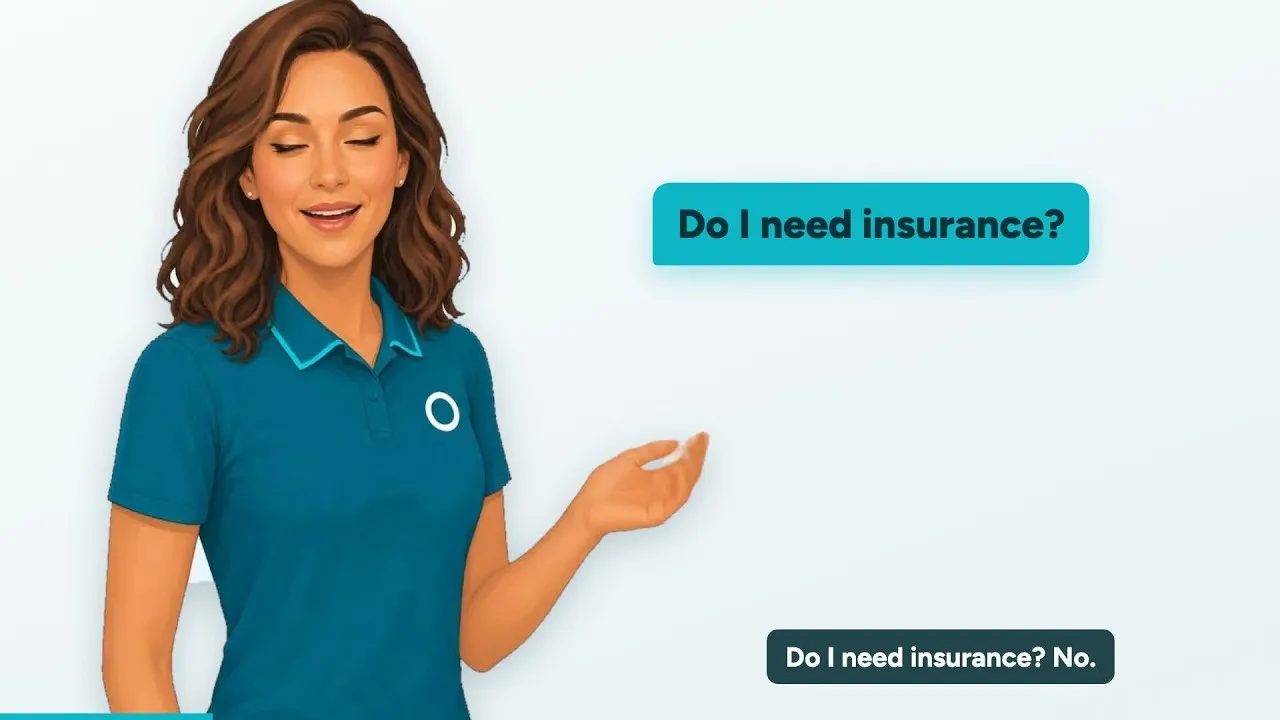
Video: the questions people ask us most about getting a prescription online with US Quick Health.
Read the video transcript
Is getting a prescription online actually legit? Let's answer the questions people ask us most. Do I need insurance? No, insurance is not required, and pricing is transparent with no hidden fees. Who are the providers? U.S. licensed doctors. Your provider reviews your health information and makes all treatment decisions. Is my data safe? Yes. US Quick Health complies with HIPAA regulations and uses encrypted systems to protect your health information. And what if I'm not eligible? The doctor visit is included with no separate fee, and you get a full refund if a provider doesn't prescribe. Got more questions? Find answers and your care at usquickhealth.com.
Medically reviewed by
Hasan Igde - MD
Clinical Expertise: Anesthesiology, Emergency Medicine, Urology, and Oncology
Dr. Igde reviewed the medical information on this page for accuracy against current medical knowledge. This is an editorial, non-clinical review: it is not medical advice and does not create a doctor-patient relationship. Whether a treatment is appropriate for you is decided by an independent U.S. licensed provider.
For more information about the scope of the reviewed content and the role of our medical advisors, please visit our Medical Board page.

Online pharmacy safety FAQ
How can I tell if an online pharmacy is legit?
Check four things the FDA lists as signs of a safe online pharmacy: it requires a valid prescription, shows a physical U.S. address and phone number, has a licensed pharmacist you can talk to, and is licensed by a state board of pharmacy. Then confirm the license yourself in your state board’s online lookup, not on the pharmacy’s own website.
Are online pharmacies safe?
Licensed U.S. online pharmacies can be as safe as a local pharmacy. The risk comes from websites that are not licensed: the FDA warns that some of them sell medicine that is fake, contaminated, expired or the wrong strength. Checking a pharmacy before you order lowers that risk, though no check can guarantee a medicine is right for you.
Is it legal to buy prescription drugs online?
Yes, from a pharmacy licensed in the U.S. that fills a valid prescription. A website that sells prescription medicine without a prescription is breaking U.S. law, and the FDA lists that as the first warning sign of an unsafe site.
What does a .pharmacy website address mean?
The .pharmacy domain is given out by the National Association of Boards of Pharmacy (NABP) only to pharmacies and related businesses it has verified. It is a strong positive sign. A .com address is not a red flag on its own, because many licensed pharmacies never switched domains, so check the license either way.
Can an online pharmacy sell medicine without a prescription?
Not legally in the U.S. for prescription drugs. A legitimate service either asks for a prescription from your own provider or connects you with a licensed provider who reviews your health information first. A site that only asks for payment is a warning sign.
Is US Quick Health a pharmacy?
No. US Quick Health is a telehealth platform. Licensed providers from Beluga Health P.A. review consultations and decide on prescriptions, and prescriptions are filled by licensed U.S. pharmacy partners such as HealthWarehouse.com Inc. US Quick Health is LegitScript certified.