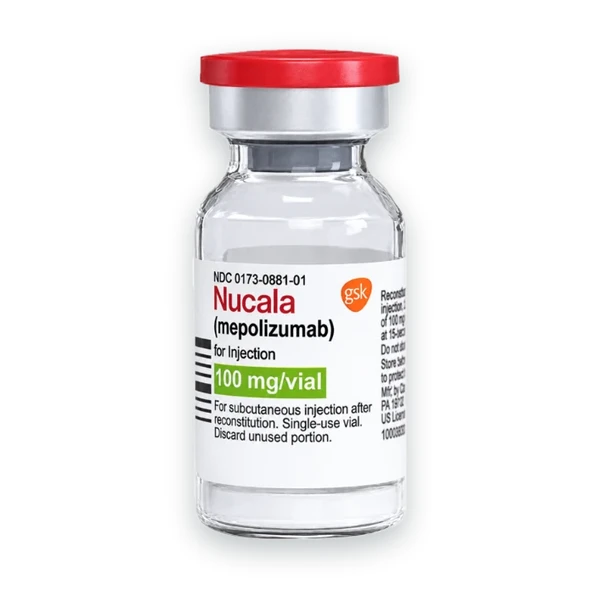


Nucala

Mepolizumab InjectionEosinophilic Asthma Treatment

  • In stock
  • Including FREE discreet Delivery
Select Dosage
Select Quantity
Price:

Price preview only. You can choose monthly subscription or one-time order at checkout.

About

What is Nucala®?

Nucala® is a prescription biologic used as an add-on treatment for severe asthma linked to high levels of eosinophils (a type of white blood cell). It’s designed for people whose asthma is not well controlled with standard inhalers. Nucala® is used regularly to help manage symptoms over time - not for sudden breathing problems.

  • Approved for adults and children 6 years and older
  • Used for severe eosinophilic asthma
  • Belongs to a class called IL-5 antagonist biologics
  • Added to existing asthma medications
  • Given as an injection under the skin

How do I take Nucala® Injection?

Nucala® is given as a subcutaneous injection (under the skin) on a regular schedule, usually every few weeks. The exact timing and setup depend on your treatment plan and how your provider prescribes it.

  • Injected under the skin using a vial or device
  • Given on a fixed schedule (not as needed)
  • Typically administered every 4 weeks
  • May be given in a clinic or at home after training
  • Not used for asthma attacks

Follow your provider’s instructions carefully and continue your other asthma medications unless told otherwise.

What are the possible side effects?

Nucala® can cause side effects, although not everyone experiences them. Some are general and manageable, while others may require medical attention.

  • Headache or fatigue
  • Injection-site reactions (redness, swelling, discomfort)
  • Back pain or general aches
  • Cold-like symptoms
  • Feeling unwell

Seek urgent medical help if you notice signs of a serious allergic reaction, such as swelling of the face or throat, trouble breathing, or severe rash. Contact your provider if you experience ongoing or unusual symptoms during treatment.

For detailed information refer to the Important Safety / Prescribing Information.

*Prescription products require an online consultation with a licensed healthcare provider who will determine if treatment is appropriate. Mepolizumab is the active ingredient in Nucala®. Nucala® is a registered trademark of its respective owner and is mentioned for reference only. Individual results may vary.

How it works

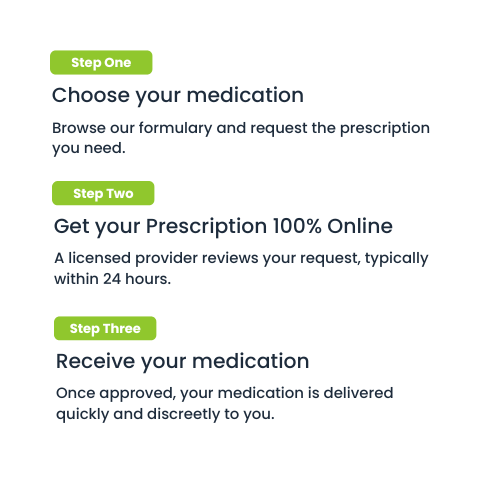
A few simple steps to your medication

1
Online Check
2
Medical Review
3
Fast Delivery

Healthcare. Made simple.

Convenient healthcare, without unnecessary waiting.

Order now

If not eligible: 100% money-back guarantee.

Licensed healthcare providers
24/7 access to care
One-time or subscription, cancel anytime

Topics

  1. 1. Who is Nucala® approved for in asthma?
  2. 2. Is Nucala® a rescue medication for asthma attacks?
  3. 3. How does Nucala® help with eosinophilic asthma?
  4. 4. How is Nucala® usually given?
  5. 5. Who can receive or give Nucala® injections?
  6. 6. What symptoms need urgent medical attention?
  7. 7. Can Nucala® replace steroid medicines?
  8. 8. What should patients discuss with a provider before starting Nucala®?
  9. 9. What does “1 vial” mean for Nucala®?

Who is Nucala® approved for in asthma?

Nucala® is prescribed for people with severe asthma linked to high eosinophil levels, especially when symptoms are not controlled with standard inhalers. Your provider will confirm if your asthma fits this type before recommending treatment.

  • Approved for adults and children 6 years and older
  • Used when asthma remains uncontrolled on inhalers
  • Requires evidence of eosinophilic inflammation
  • Not intended for mild or well-controlled asthma
  • Part of a long-term treatment strategy

Your provider may use blood tests and your symptom history to determine if Nucala® is appropriate.

Is Nucala® a rescue medication for asthma attacks?

Nucala® is not designed to treat sudden asthma attacks or breathing emergencies. It works gradually and supports long-term asthma control.

  • Not for immediate symptom relief
  • Does not replace rescue inhalers
  • Must be used regularly as prescribed
  • Works alongside your existing asthma plan
  • Acute symptoms require fast-acting medication

Always keep your rescue inhaler available and follow your asthma action plan.

How does Nucala® help with eosinophilic asthma?

Nucala® targets a protein in the body called IL-5, which plays a role in the growth and survival of eosinophils. These cells can contribute to airway inflammation in certain types of severe asthma.

  • Focuses on eosinophil-driven inflammation
  • Works differently from inhaled medications
  • Helps manage inflammation over time
  • Designed for long-term control
  • Requires consistent dosing

Because it targets a specific pathway, proper diagnosis is important before starting treatment.

How is Nucala® usually given?

Nucala® is given as an injection under the skin on a regular schedule. The exact setup depends on your treatment plan and provider guidance.

  • Administered subcutaneously (under the skin)
  • Typically given every 4 weeks
  • May be prepared from a vial or given via device
  • Not used on an as-needed basis
  • Provided in a healthcare setting or at home after training

Follow your provider’s instructions closely to stay on track with treatment.

Who can receive or give Nucala® injections?

Nucala® treatment may start in a clinical setting, especially to ensure safety and proper technique. Some patients may later transition to home administration.

  • Initial doses may be given in a clinic
  • Monitoring may be required early in treatment
  • Some patients may use it at home after training
  • Proper instruction is required before self-injection
  • Not all patients are suitable for home use

Your provider will decide what’s safest based on your situation.

What symptoms need urgent medical attention?

Certain symptoms may signal a serious reaction and require immediate medical care. These should not be ignored.

  • Swelling of the face, lips, or throat
  • Difficulty breathing
  • Severe rash or hives
  • Dizziness or fainting
  • Sudden worsening of symptoms

Seek emergency care right away if these occur. Refer to Important Safety Information for more details.

Can Nucala® replace steroid medicines?

Nucala® does not automatically replace inhaled or oral corticosteroids. Any changes to your treatment should be carefully managed.

  • Do not stop steroids on your own
  • Reductions should be gradual
  • Sudden changes can worsen asthma
  • Nucala® is part of a combined treatment plan

Always follow your provider’s instructions when adjusting medications.

What should patients discuss with a provider before starting Nucala®?

Before starting Nucala®, your provider will review your health history to ensure safe use.

  • Previous allergic reactions
  • History of severe allergies
  • Current medications or supplements
  • Pregnancy or breastfeeding
  • Any ongoing health conditions

Providing complete information helps your provider determine if Nucala® is right for you.

What does “1 vial” mean for Nucala®?

“1 vial” refers to a single container of medication used to prepare one dose. It does not represent your full treatment schedule.

  • One vial is used for one prepared dose
  • Total dosing depends on your prescription
  • Treatment frequency varies by patient
  • Follow your provider’s dosing plan

Your provider will explain how many doses you need and how often to take them.

Important safety information

FAQ

How should Nucala® be stored and handled?

Proper storage and handling help maintain the effectiveness and safety of Nucala®.

  • Follow instructions on the medication label
  • Store as directed (often refrigerated - confirm packaging)
  • Do not use expired or damaged medication
  • Keep out of reach of children
  • Ask your pharmacist if unsure

If you have questions about storage, your provider or pharmacist can help.

Is Nucala® used alone or added to my current asthma treatment?

Nucala® is usually added to your existing asthma treatment rather than replacing it. It’s prescribed when inhalers alone are not enough to control symptoms.

  • Typically used with inhaled medications
  • Part of a long-term treatment plan
  • Not a first-line standalone therapy
  • Your provider may adjust your full regimen

Do not stop your current asthma medications unless your provider tells you to.

Can Nucala® be used during an asthma attack?

No, Nucala® is not used to treat asthma attacks. It works over time and does not provide immediate relief.

  • Not a rescue medication
  • Does not act quickly for symptoms
  • Keep your rescue inhaler available
  • Follow your asthma action plan

If you have severe or sudden breathing problems, seek medical care right away.

What testing may be needed before starting Nucala®?

Before starting Nucala®, your provider may perform tests to confirm that it matches your type of asthma.

  • Blood test to check eosinophil levels
  • Review of your symptoms and history
  • Assessment of current medications
  • Evaluation of asthma control

These steps help ensure the treatment is appropriate for your condition.

What should I do if I miss a Nucala® dose?

If you miss a scheduled dose, contact your provider or clinic as soon as possible to reschedule.

  • Do not take an extra dose on your own
  • Try to stay on your regular schedule
  • Ask your provider how to proceed
  • Keep track of your appointments

Your provider will guide you on how to safely continue treatment.

Can I change how often I receive Nucala®?

No, you should not change your dosing schedule without medical advice. The timing is based on your individual treatment plan.

  • Schedule is personalized
  • Changes may affect consistency
  • Always follow provider instructions
  • Ask before making adjustments

If your schedule becomes difficult, talk to your provider about possible solutions.

Can I stop my inhaled steroid or oral steroid after starting Nucala®?

You should not stop steroid medications on your own. Any changes need to be carefully managed by your provider.

  • Sudden stopping can worsen asthma
  • Reductions are usually gradual
  • Nucala® does not replace steroids immediately
  • Follow provider guidance

Always consult your provider before making changes to your treatment.

Can I drink alcohol while using Nucala®?

There are no specific restrictions listed for alcohol use with Nucala®, but it’s still important to monitor how you feel.

  • No direct interaction noted
  • Alcohol may affect your overall health
  • Watch for any unusual symptoms
  • Ask your provider if unsure

Can I drive after a Nucala® injection?

Most people can continue normal activities after an injection, including driving. However, your reaction may vary.

  • Monitor how you feel after treatment
  • Avoid driving if you feel unwell
  • Watch for dizziness or fatigue
  • Safety comes first

If you’re unsure, wait until you feel stable before driving.

Where is Nucala® injected?

Nucala® is injected under the skin in specific areas of the body. Your provider will guide you on proper technique.

  • Common areas include the thigh, abdomen, or upper arm
  • Injection sites may be rotated
  • Given subcutaneously (under the skin)
  • Follow provider instructions

Can I give myself Nucala® at home?

Some patients may be able to administer Nucala® at home after proper training, depending on their situation.

  • Initial doses may be given in a clinic
  • Training is required for self-injection
  • Not suitable for every patient
  • Follow provider guidance

Your provider will determine if home use is appropriate for you.

What should I tell my provider before starting Nucala®?

Before starting Nucala®, share important health information with your provider to ensure safe treatment.

  • History of allergic reactions
  • Current medications or supplements
  • Pregnancy or breastfeeding status
  • Any ongoing health conditions
  • Past reactions to similar treatments

Providing complete information helps your provider make the best decision for your care.

Other Asthma treatments

Sources

References

Nucala® (Mepolizumab) Injection - Add-on maintenance treatment for severe eosinophilic asthma. / Source: NCBI Link: https://dailymed.nlm.nih.gov/dailymed/search.cfm?query=mepolizumab

Medically reviewed by

H. Igde - MD

Clinical Expertise: Anesthesiology, Emergency Medicine, Urology, and Oncology

Dr. Igde reviewed the medical information on this page for accuracy against current medical knowledge. This is an editorial, non-clinical review: it is not medical advice and does not create a doctor-patient relationship. Whether a treatment is appropriate for you is decided by an independent U.S. licensed provider.

For more information about the scope of the reviewed content and the role of our medical advisors, please visit our Medical Board page.

H. Igde - MD
Last updated on 02/28/2026Next information check will be on 01/29/2027

*All information presented on this page is for informational and educational purposes only and does not constitute medical advice, diagnosis, or treatment. Prescription products are available only after an online consultation with a licensed U.S. healthcare provider who determines if treatment is appropriate. Individual results may vary. US Quick Health LLC does not sell or ship medications directly. All prescriptions are fulfilled by licensed U.S. pharmacies.

Nucala® is a registered trademark of GlaxoSmithKline and is mentioned for reference and informational purposes only. US Quick Health LLC is not affiliated with, endorsed by, or sponsored by GlaxoSmithKline or any other trademark owners.

Cookie preferences

Choose which cookies this site may use. Your choice is stored on this device and applies to every page. You can come back and change it at any time from the link in the footer.

More detail on what each category collects is in our Privacy Policy.