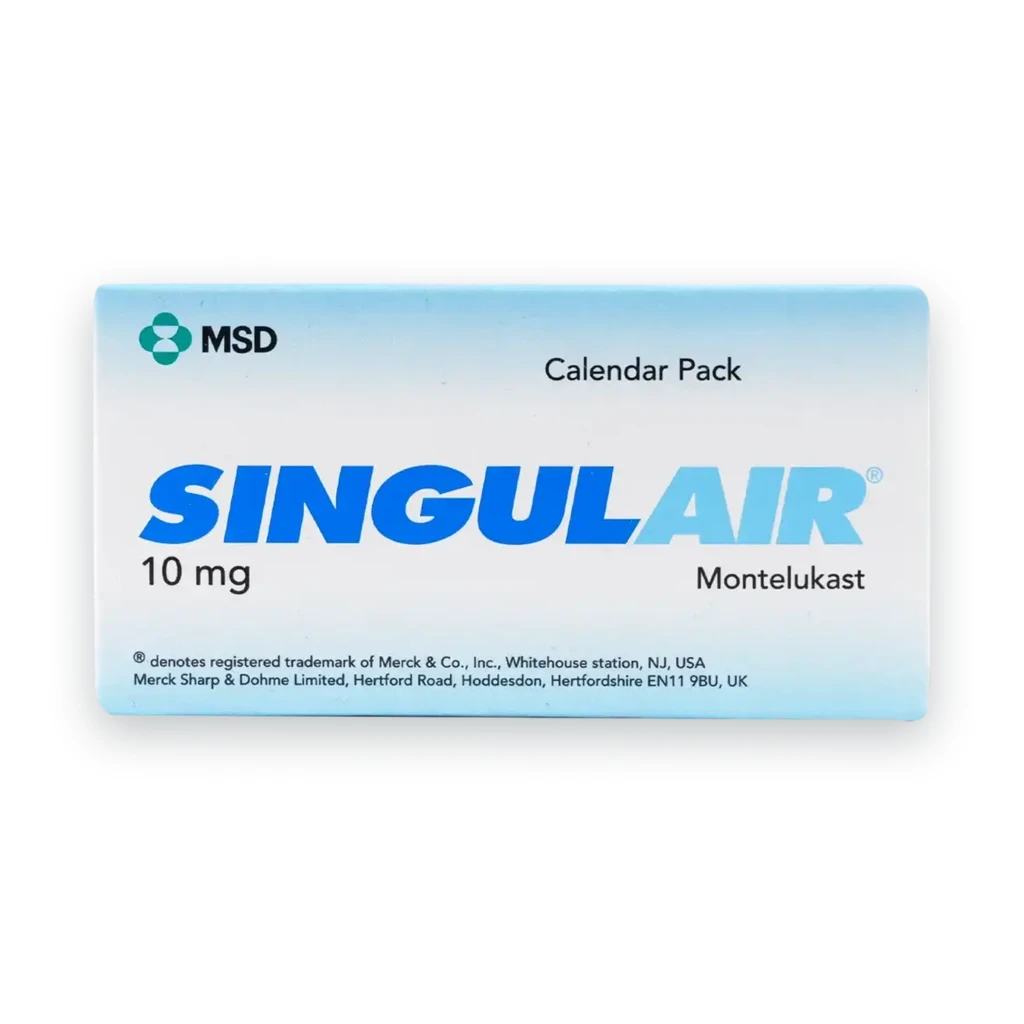


Singulair

MontelukastAsthma & Allergy Care

  • In stock
  • Including FREE discreet Delivery
Select Dosage
Select Quantity
Price:

Price preview only. You can choose monthly subscription or one-time order at checkout.

Generic / Compounded alternative available
Branded: $472.99
Alternative: $52.99
Save up to 89%
Choose affordable alternative
Same Ingredients · More affordable · US Licensed Pharmacies

About

What are Singulair® Tablets?

Singulair® Tablets is a prescription medication used for the long-term control and prevention of asthma symptoms. It contains montelukast, which belongs to a class of medicines called leukotriene receptor antagonists (LTRAs). It may also be used for certain allergy symptoms, but for asthma, it is taken regularly to help reduce ongoing airway inflammation - not for sudden breathing problems.

  • Used daily for asthma prevention and long-term control
  • Belongs to a class called leukotriene receptor antagonists (LTRAs)
  • Taken as an oral tablet (commonly 5 mg or 10 mg strengths)
  • Not a rescue medication for asthma attacks
  • Supplied in packs such as 30 tablets

How do I take Singulair® Tablets?

Singulair® Tablets are taken by mouth, usually once daily in the evening for asthma management. It can be taken with or without food, but should be used consistently as prescribed to help maintain control over symptoms.

  • Taken once daily, typically in the evening
  • Swallowed as a tablet (or chewable depending on age)
  • Can be taken with or without food
  • Should be taken regularly, not just when symptoms appear
  • Do not use extra doses for sudden symptoms

Always follow your provider’s instructions and keep a rescue inhaler available if one has been prescribed.

What are the possible side effects?

Singulair® Tablets can cause side effects, including some that affect mood or behavior. Many people tolerate the medication, but it’s important to stay aware of any changes and report concerns early.

  • Common: headache, stomach pain, cough, cold-like symptoms
  • Digestive issues like diarrhea or nausea
  • Ear infections or sore throat
  • Sleep disturbances or unusual dreams
  • Mood or behavior changes in some patients

Seek medical help right away if you notice serious mood changes such as agitation, depression, or thoughts of self-harm. Also contact a provider if asthma symptoms worsen or do not improve.

For more detail refer to the Important Safety / Prescribing Information.

*Prescription products require an online consultation with a licensed healthcare provider who will determine if treatment is appropriate. Montelukast is the active ingredient in Singulair®. Singulair® is a registered trademark of its respective owner and is mentioned for reference only. Individual results may vary.

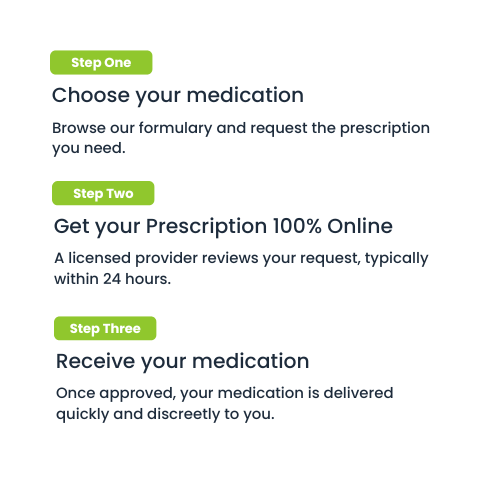
How it works

A few simple steps to your medication

1
Online Check
2
Medical Review
3
Fast Delivery

Healthcare. Made simple.

Convenient healthcare, without unnecessary waiting.

Order now

If not eligible: 100% money-back guarantee.

Licensed healthcare providers
24/7 access to care
One-time or subscription, cancel anytime

Topics

  1. 1. Who is Singulair® Tablets approved for?
  2. 2. Is Singulair® Tablets a rescue medication for asthma attacks?
  3. 3. How does Singulair® Tablets help with asthma control?
  4. 4. How do people usually take Singulair® Tablets?
  5. 5. What should patients know about the boxed warning for mood, sleep, or behavior changes?
  6. 6. Who should talk to a provider before using Singulair® Tablets?
  7. 7. Can Singulair® Tablets replace inhaled or oral steroids?
  8. 8. What should aspirin-sensitive patients know before using Singulair® Tablets?
  9. 9. Can Singulair® Tablets also help with allergies or exercise-related symptoms?

Who is Singulair® Tablets approved for?

Singulair® Tablets is approved for the long-term prevention and control of asthma in both adults and children, with specific strengths used depending on age. It may also be prescribed for exercise-related breathing symptoms and certain allergies, but asthma management remains a key use.

  • Approved for asthma in patients 12 months and older
  • 10 mg tablets typically used in ages 15+
  • 5 mg chewable tablets used in children 6-14
  • May be part of a broader asthma treatment plan
  • “30 tablets” refers to package quantity, not treatment duration

Your provider will select the right strength and form based on age and medical needs.

Is Singulair® Tablets a rescue medication for asthma attacks?

Singulair® Tablets is not intended for sudden asthma attacks. It works over time and should not be relied on for immediate symptom relief during breathing emergencies.

  • Not effective for acute asthma symptoms
  • Does not replace a rescue inhaler
  • Used for long-term control, not quick relief
  • Sudden symptoms require fast-acting medication
  • Always follow your asthma action plan

If symptoms worsen suddenly or don’t improve with rescue medication, seek medical care promptly.

How does Singulair® Tablets help with asthma control?

Singulair® Tablets works by blocking leukotrienes, substances in the body that can contribute to airway swelling and tightening. By reducing this activity, it helps support better long-term control of asthma symptoms.

  • Targets inflammation pathways linked to asthma
  • Helps reduce airway tightening over time
  • Works gradually with consistent use
  • Supports prevention of symptoms
  • Part of a maintenance treatment approach

Regular use as prescribed is important to maintain its intended effect.

How do people usually take Singulair® Tablets?

Singulair® Tablets is taken by mouth, usually once daily in the evening for asthma. It can be taken with or without food, but should be taken consistently at the same time each day.

  • Taken once daily for asthma management
  • Available as tablets or chewable forms
  • Can be taken with or without meals
  • Follow the prescribed schedule closely
  • Do not adjust dosing without guidance

Consistency helps maintain stable symptom control over time.

What should patients know about the boxed warning for mood, sleep, or behavior changes?

Singulair® Tablets carries a boxed warning for serious mental health side effects. These may include changes in mood, behavior, or sleep patterns, and can occur in some patients during treatment.

  • Symptoms may include agitation, depression, or unusual behavior
  • Sleep problems or vivid dreams may occur
  • Monitor for changes in mood or thinking
  • Stop the medication and contact a provider if symptoms appear
  • Important for both patients and caregivers to stay aware

For full details, refer to the Important Safety Information and Medication Guide.

Who should talk to a provider before using Singulair® Tablets?

Before starting Singulair® Tablets, it’s important to review your health history and current medications with a provider. Certain conditions may affect whether it’s appropriate for you.

  • History of mood or mental health concerns
  • Aspirin sensitivity
  • Current or recent use of steroids
  • Liver conditions or other chronic illnesses
  • Pregnancy or breastfeeding

Your provider will use this information to determine if the medication is suitable for you.

Can Singulair® Tablets replace inhaled or oral steroids?

Singulair® Tablets should not be used as a direct replacement for inhaled or oral corticosteroids without guidance from a provider. Changes in asthma treatment need to be managed carefully.

  • Do not stop steroid medications on your own
  • Sudden changes may worsen asthma control
  • Your provider may adjust treatment gradually
  • Combination therapy may be needed

Always follow your provider’s plan when making changes to your medications.

What should aspirin-sensitive patients know before using Singulair® Tablets?

If you have asthma that is sensitive to aspirin or similar medications, you should continue avoiding these triggers even while taking Singulair® Tablets.

  • Avoid aspirin and certain anti-inflammatory drugs
  • Singulair® does not replace trigger avoidance
  • Inform your provider about sensitivities
  • Follow your personalized asthma plan

Managing triggers remains an important part of asthma care.

Can Singulair® Tablets also help with allergies or exercise-related symptoms?

Singulair® Tablets may be prescribed for allergy symptoms or exercise-related breathing issues, depending on your situation. However, these uses are considered separately from asthma treatment.

  • May help with seasonal or year-round allergies
  • Can be used to prevent exercise-induced symptoms
  • Use for allergies may be limited to certain patients
  • Your provider will determine if it’s appropriate

Treatment decisions are based on your symptoms and overall health profile.

Important safety information

FAQ

How should Singulair® Tablets be stored and handled?

Proper storage helps maintain the effectiveness of Singulair® Tablets. Always follow the instructions on the packaging.

  • Keep in original container
  • Store at room temperature
  • Protect from moisture and light
  • Keep out of reach of children
  • Check expiration dates regularly

Is Singulair® Tablets used every day or only when symptoms appear?

Singulair® Tablets is usually taken once daily as part of a regular routine, not just when symptoms show up. It’s designed to help maintain control over time, so consistency matters.

  • Taken daily, typically in the evening
  • Works best when used regularly
  • Not meant for occasional or “as-needed” use
  • Helps support long-term symptom control

If you’re unsure about your schedule, follow your provider’s instructions closely to get the intended benefit.

Can Singulair® Tablets be used during an asthma attack?

No, Singulair® Tablets should not be used to treat an asthma attack. It does not work quickly enough to relieve sudden breathing symptoms.

  • Not a rescue medication
  • Does not provide immediate relief
  • Keep a rescue inhaler available if prescribed
  • Severe symptoms require urgent care

If you experience sudden breathing problems, use your rescue medication and seek medical attention if needed.

What should I do if I miss a dose of Singulair® Tablets?

If you miss a dose, take it as soon as you remember - unless it’s close to your next scheduled dose. In that case, skip the missed one and continue your routine.

  • Do not take two doses at the same time
  • Keep your dosing schedule consistent
  • Occasional missed doses can happen
  • Use reminders if helpful

Can I take Singulair® Tablets with food?

Yes, Singulair® Tablets can be taken with or without food. There are no specific meal-related restrictions.

  • Flexible timing around meals
  • No known food interactions
  • Can fit easily into your daily routine

Can I drink alcohol while taking Singulair® Tablets?

There are no specific alcohol restrictions listed in the prescribing information. However, it’s important to pay attention to how you feel while taking the medication.

  • No direct interaction noted in labeling
  • Alcohol may affect mood or sleep
  • Monitor for any unusual symptoms
  • Discuss concerns with your provider

If you notice mood or behavior changes, it’s best to avoid alcohol and seek medical advice.

Can I drive after taking Singulair® Tablets?

Most people can continue normal activities, including driving, after taking Singulair® Tablets. However, individual responses can vary.

  • Be aware of how you feel after taking it
  • Avoid driving if you feel unwell or distracted
  • Monitor for sleep or mood changes
  • Safety comes first

If you notice unusual symptoms, wait until you feel stable before driving.

What mood, sleep, or behavior changes should I watch for?

Singulair® Tablets may be associated with changes in mood, behavior, or sleep in some patients. It’s important to notice these early.

  • Agitation, irritability, or unusual behavior
  • Depression or mood swings
  • Trouble sleeping or vivid dreams
  • Thoughts of self-harm

If any of these occur, stop taking the medication and contact your provider right away. For full details, refer to the Important Safety Information.

What does “30 tablets” mean?

“30 tablets” refers to the number of doses in one package. It does not automatically mean a 30-day supply.

  • Each tablet represents one dose
  • Duration depends on how it’s prescribed
  • Some patients may take it daily
  • Always follow your provider’s instructions

Your provider will determine how long your supply should last.

Can Singulair® Tablets replace my inhaler or steroid medication?

Singulair® Tablets should not replace inhalers or steroid medications unless your provider specifically instructs you to do so.

  • Do not stop other asthma medications on your own
  • Treatment plans may include multiple medications
  • Changes should be guided by a provider
  • Sudden changes may worsen symptoms

Always follow your provider’s instructions when adjusting your treatment plan.

Can I take Singulair® Tablets before exercise?

Singulair® may be used in certain cases for exercise-related breathing symptoms, but dosing depends on your overall treatment plan.

  • Do not take extra doses without guidance
  • Daily use may already provide coverage
  • Your provider will determine timing
  • Follow prescribed instructions

Do I need a prescription for Singulair® Tablets?

Yes, Singulair® Tablets is a prescription medication and requires evaluation by a licensed healthcare provider.

  • Not available over the counter
  • Requires medical assessment
  • May be part of a long-term plan
  • Follow-up may be recommended

Telemedicine services can help determine if this medication is appropriate for you.

What should I tell my provider before starting Singulair® Tablets?

Before starting, share your full medical history and current medications with your provider.

  • Any history of mood or mental health changes
  • Current medications or supplements
  • Asthma triggers or sensitivities
  • Pregnancy or breastfeeding status

Providing complete information helps ensure safe and appropriate treatment.

Other Asthma treatments

Sources

References

Singulair® (Montelukast Sodium) Tablets - Prophylaxis and chronic treatment of asthma and relief of symptoms of allergic rhinitis. / Source: NCBI Link: https://dailymed.nlm.nih.gov/dailymed/lookup.cfm?setid=482dcc92-b47f-4ea6-854a-f5ac2aea7842

Medically reviewed by

H. Igde - MD

Clinical Expertise: Anesthesiology, Emergency Medicine, Urology, and Oncology

Dr. Igde reviewed the medical information on this page for accuracy against current medical knowledge. This is an editorial, non-clinical review: it is not medical advice and does not create a doctor-patient relationship. Whether a treatment is appropriate for you is decided by an independent U.S. licensed provider.

For more information about the scope of the reviewed content and the role of our medical advisors, please visit our Medical Board page.

H. Igde - MD
Last updated on 02/28/2026Next information check will be on 01/29/2027

*All information presented on this page is for informational and educational purposes only and does not constitute medical advice, diagnosis, or treatment. Prescription products are available only after an online consultation with a licensed U.S. healthcare provider who determines if treatment is appropriate. Individual results may vary. US Quick Health LLC does not sell or ship medications directly. All prescriptions are fulfilled by licensed U.S. pharmacies.

Singulair® is a registered trademark of Merck & Co., Inc. and is mentioned for reference and informational purposes only. US Quick Health LLC is not affiliated with, endorsed by, or sponsored by Merck & Co., Inc. or any other trademark owners.

Cookie preferences

Choose which cookies this site may use. Your choice is stored on this device and applies to every page. You can come back and change it at any time from the link in the footer.

More detail on what each category collects is in our Privacy Policy.